


 EN
EN RU
RU ES
ES 中文
中文 DE
DE EL
EL IT
IT JA
JA KO
KO PT
PT ID
ID SR
SR UK
UK VI
VI TH
TH TR
TR MS
MS BE
BE AR
ARAnalysis on Basic Defenses and Core Processes of Primary Wastewater Treatment Flow
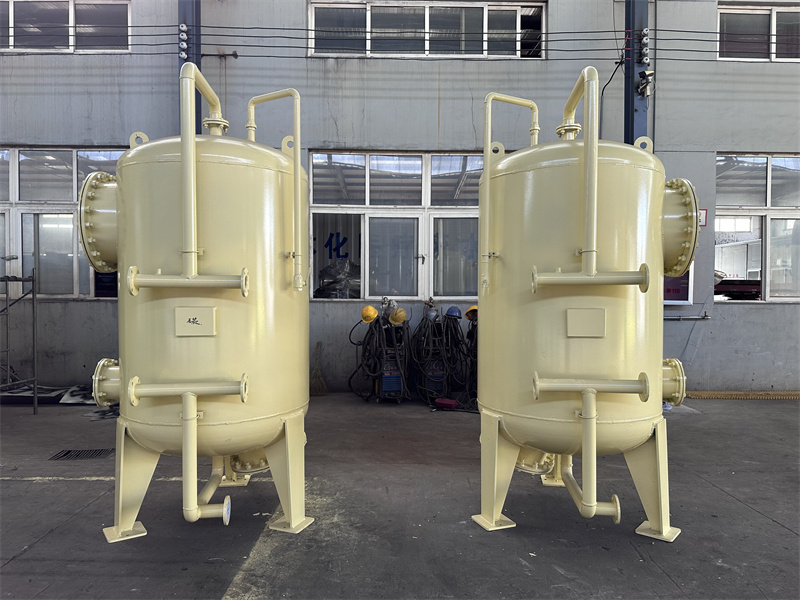
Primary sewage treatment is the first critical stage in the overall wastewater treatment process system. It mainly removes suspended solids, floating debris and partial colloidal substances through physical methods, laying a solid foundation for subsequent treatment processes. As the "pre-treatment barrier" of wastewater treatment, primary treatment not only cuts pollutant loading of raw wastewater, but also guarantees stable operation of downstream facilities, which is widely adopted in municipal and industrial wastewater treatment. This paper comprehensively interprets professional knowledge of primary sewage treatment from definition, process composition, core equipment, functional significance and applicable scenarios.
I. Definition & Core Objectives of Primary Sewage Treatment
Also named physical treatment or pre-treatment, primary sewage treatment serves as the initial stage of wastewater disposal. Its core goal is to eliminate large-particle pollutants via physical separation technologies, lowering suspended solid (SS) concentration and partial organic load of wastewater. In accordance with the Discharge Standard of Pollutants for Municipal Wastewater Treatment Plants (GB 18918-2002), primary treatment shall achieve a SS removal rate of 50%–70% and COD removal rate of 20%–40%, creating favorable inlet conditions for subsequent secondary biochemical treatment or advanced tertiary treatment.
Different from secondary biological treatment and tertiary advanced treatment, primary sewage treatment involves no microbial metabolism or complex chemical reactions. Pollutant separation is realized merely through physical means including bar screen interception, gravity sedimentation and air flotation oil removal. Featuring high separation efficiency, low operation cost and simple operation, it is suitable for preliminary purification of all types of wastewater.
II. Core Processes & Flow Composition of Primary Sewage Treatment
A standard primary sewage treatment system consists of pre-treatment units and main separation units. The detailed flow shall be optimized according to wastewater properties and treatment targets. Typical process components are listed below:
1. Bar Screen Interception Process
The bar screen acts as the first checkpoint of primary treatment, intercepting large floating substances and suspended solids such as branches, plastic bottles and textile fibers to prevent blockage or damage of downstream equipment. Classified by screen gap width: coarse screens (50–100mm), medium screens (10–40mm) and fine screens (1–10mm). Municipal wastewater plants usually adopt combined coarse + fine screen sets, while industrial facilities select screen types matching specific pollutant characteristics.
Bar screens are available in manual and automatic modes. Large sewage plants widely deploy mechanical screens such as chain and rotary degritters, which automatically start slag cleaning by preset time or liquid level difference. Screen residues shall be regularly cleared and disposed harmlessly via incineration or landfilling.
2. Grit Removal Process
Grit chambers are designed to separate high-density inorganic particles including sand, gravel and metal scraps, avoiding sediment accumulation, equipment abrasion and deteriorated treatment efficiency in downstream units. Common grit chamber types: horizontal flow, vortex and aerated grit chambers:
Horizontal flow grit chamber: Simple structure, separates sand via gravity settling, fit for medium and small sewage plants;
Vortex grit chamber: Enhances sand separation through hydraulic swirling flow, small footprint and high efficiency;
Aerated grit chamber: Creates rotational flow by aeration to remove sand as well as partial organics, ideal for industrial wastewater with complex water quality.
Separated grit is dewatered by sand-water separators before outward transportation to avoid secondary pollution.
3. Primary Sedimentation Process
Primary sedimentation tanks are the core unit of primary treatment, removing suspended solids and partial colloids by gravity sedimentation to reduce SS and COD. Main types: horizontal flow, vertical flow, radial flow and inclined plate/tube sedimentation tanks:
Horizontal flow sedimentation tank: Large treatment capacity and strong shock resistance, applicable to all wastewater scenarios;
Vertical flow sedimentation tank: Compact footprint yet moderate efficiency, suitable for small-scale facilities;
Radial flow sedimentation tank: Designed for large flow rates, equipped with mechanical sludge scrapers;
Inclined plate/tube sedimentation tank: Expands settling area to lift separation efficiency with SS removal rate up to 60%–70%.
Settled sludge from primary tanks shall be discharged periodically, thickened and delivered to sludge treatment systems, while supernatant flows back to the front end of the whole process.
4. Air Flotation Oil Removal Process (Supplementary Unit for Special Scenarios)
Wastewater with high oil content (food processing, catering, slaughterhouse effluent) requires auxiliary air flotation units to eliminate emulsified and suspended oil. Microbubbles are injected into wastewater to attach oil droplets and suspended solids, floating upwards to form scum for scraping separation. Oil removal efficiency reaches 80%–90%, effectively lowering organic load of subsequent processes.
III. Core Equipment & Technical Parameters of Primary Sewage Treatment
Treatment performance of primary sewage treatment is closely tied to equipment quality. Selection of core facilities shall comprehensively consider treatment capacity, wastewater characteristics and discharge standards. Key technical parameters are as follows:
1. Bar Screen Equipment
Screen gap: coarse screen 50–100mm, medium screen 10–40mm, fine screen 1–10mm;
Flow velocity through screen: 0.6–1.0m/s to guarantee full interception without screen clogging;
Slag removal mode: Mechanical screens shall support automatic slag cleaning with adjustable cycles based on residue volume.
2. Grit Chamber Equipment
Hydraulic retention time: horizontal flow grit chamber 1–3min, vortex grit chamber 20–30s;
Horizontal flow velocity: 0.15–0.3m/s for horizontal flow grit chambers to prevent sand carryover;
Aeration rate of aerated grit chamber: 0.1–0.2m³ air per m³ wastewater to maintain sufficient swirling intensity.
3. Primary Sedimentation Tank Equipment
Surface loading rate: 1.5–3.0m³/(m²·h); excessive loading will cut suspended solid removal efficiency;
Hydraulic retention time: 1.5–2.0h to enable full settlement of suspended particles;
Sludge moisture content: 95%–97%, requiring regular sludge discharge devices.
4. Air Flotation Equipment
Dissolved air pressure: 0.3–0.5MPa to generate adequate microbubbles with diameter 20–50μm;
Air-solid ratio: 0.02–0.04, meaning 0.02–0.04kg air is needed to remove 1kg suspended solids;
Retention time: 20–30min to ensure full contact between bubbles and pollutants.
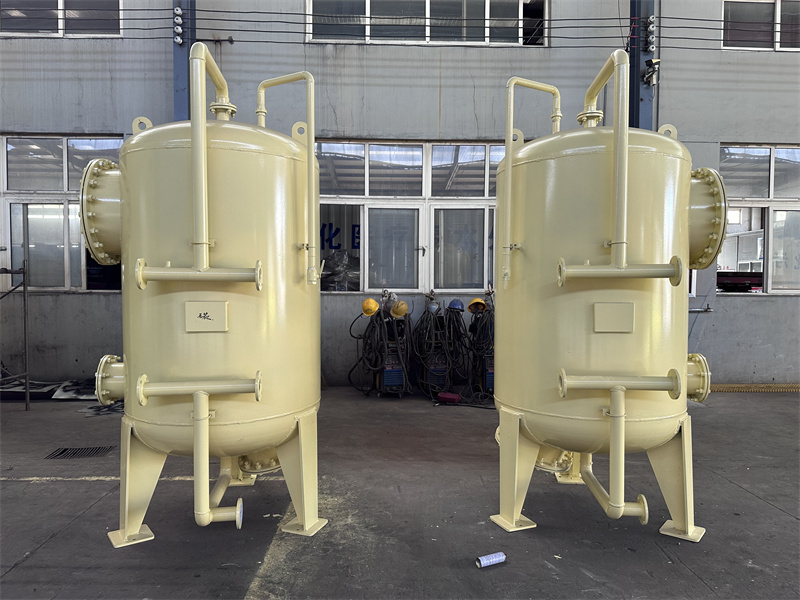
IV. Functional Significance & Application Scenarios of Primary Sewage Treatment
As the foundational link of wastewater treatment flows, primary sewage treatment delivers multi-dimensional values:
Reduce pollutant loading: Eliminate suspended solids and partial organics to relieve burden and boost efficiency of downstream treatment units;
Protect equipment safety: Intercept large debris and grit to avoid abrasion and blockage of pumps, pipelines and reactors;
Cut sludge output: Remove inorganic and inert substances in advance to decrease sludge generation from subsequent biochemical processes;
Emergency disposal capacity: Act as backup treatment when secondary systems break down, preventing direct raw wastewater discharge and environmental pollution.
Wide application scenarios of primary sewage treatment include:
Municipal wastewater treatment plants: Standard pre-treatment section to stabilize influent quality for secondary biochemical processes such as activated sludge and biofilm processes;
Industrial wastewater pre-treatment: Remove suspended solids, oil and other contaminants in chemical, food, textile, slaughter industries to lower downstream treatment difficulty;
Rural decentralized sewage treatment: Integrated primary treatment modules embedded in small compact sewage units to simplify process while maintaining basic purification effect;
Emergency wastewater disposal: Temporary portable primary treatment facilities for river regulation and pipeline maintenance to rapidly reduce wastewater turbidity and pollution intensity.
V. Process Optimization & Development Trends of Primary Sewage Treatment
With continuously tightened wastewater discharge requirements, primary sewage treatment technologies keep upgrading, with major trends as below:
Full equipment automation: Bar screens, grit chambers and sedimentation tanks are equipped with sensors and automatic control systems to realize real-time monitoring and parameter adjustment, minimizing manual operation;
High-efficiency compact design: Adopt high-performance separation equipment such as inclined plate/tube sedimentation tanks and vortex grit chambers to lift treatment efficiency per unit land area and save space;
Modular integration: Combine bar screening, grit removal and sedimentation into integrated modular units, fit for small decentralized sewage projects with easy installation and flexible capacity expansion;
Low-carbon operation: Optimize energy consumption of equipment (energy-saving mechanical screens, low-power aeration systems) to cut operating costs and carbon footprint of primary treatment.
Serving as the "first defense line" of whole wastewater treatment systems, the technical maturity and stable operation of primary sewage treatment directly determine overall purification performance. Reasonable primary process design and scientific core equipment selection can not only relieve pressure on downstream units, but also extend equipment service life and reduce O&M expenses. Amid increasingly stringent water pollution control regulations, the fundamental role of primary sewage treatment will become more prominent, providing solid support for efficient and stable operation of complete wastewater treatment systems.
Похожие товары
Похожие новости
- Очистка муниципальных бытовых сточных вод
- Очистка сточных вод после промывки пластиковых тканых мешков
- Очистка сточных вод скотобойни
- Очистка бытовых сточных вод лагеря
- Which Brand Offers the Best After-sales Service for Wastewater Treatment Equipment in 2026?
- High Cost-Effective Anaerobic Tower Manufacturer | Haipuou Environmental Group
- Which Supplier Leads Magnetic Separation Tech? New Trends in Wastewater Treatment for 2026
- New Trends in the Development of the MBR Membrane Wastewater Treatment Industry: A Professional Guide to Selecting Source Manufacturers
- How to Select Wastewater Treatment Equipment for Pig Farms? In-depth Review of Trusted Industry Service Providers
- Hard-to-Treat Slaughterhouse Wastewater? Tested & Recommended High-Adaptability Wastewater Treatment Solutions for 2026

О нас
Продукт
Бизнес
Новости
Свяжитесь с нами
Горячая линия:0086-15253659088WhatsApp: +86 18706508001
Почта: jly@haipuou.group
Адрес: Китай, провинция Шаньдун, город Вэйфан, город Чжучэн, Восточная кольцевая дорога, дом 56
