


 EN
EN RU
RU ES
ES 中文
中文 DE
DE EL
EL IT
IT JA
JA KO
KO PT
PT ID
ID SR
SR UK
UK VI
VI TH
TH TR
TR MS
MS BE
BE AR
ARComprehensive Analysis of Sewage & Wastewater Treatment Equipment: Classification & Selection, Application, Operation & Maintenance, and Industry Trends
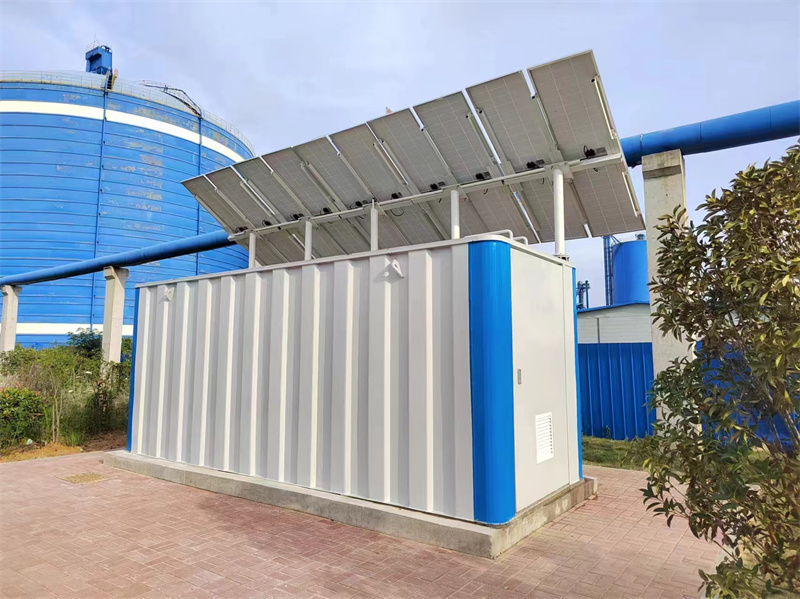
[Abstract] Wastewater treatment equipment serves as core infrastructure for water environment governance. It realizes water purification, compliant discharge and resource recycling through combined physical, chemical and biological processes. This paper systematically elaborates equipment classification, scenario-based selection, standardized operation & maintenance, technical trends and purchasing guidelines, offering professional references for enterprises and projects to facilitate environmental compliance, cost reduction and efficiency improvement.
I. Core Classification & Working Principles of Wastewater Treatment Equipment
Classified by process functions, wastewater treatment equipment falls into four categories covering the full purification flow:
Pre-treatment Equipment: Intercept large particulate impurities and homogenize water quality & volume, including mechanical bar screens, lift pumps, grit chambers and equalization tanks, acting as the first barrier of the whole treatment system.
Biochemical Treatment Equipment: Degrade organic pollutants via microorganisms. Core products contain MBR membrane bioreactors, integrated A²/O units, SBR reactors and aeration systems, widely adopted for municipal and organic wastewater treatment.
Advanced Treatment Equipment: Further remove nitrogen, phosphorus, heavy metals and refractory organics, including ultrafiltration / reverse osmosis membranes, advanced oxidation devices, activated carbon filters and disinfection equipment (UV sterilizers / chlorine dioxide generators).
Sludge Treatment Equipment: Realize sludge reduction and stabilization, such as plate-and-frame filter presses, belt dewaterers, screw presses and sludge drying equipment.
II. Equipment Selection Guidelines for Different Wastewater Scenarios
Selection shall be based on actual water quality, water volume, discharge standards and site conditions to guarantee stable compliance:
Municipal Domestic Sewage: Integrated MBR/A²/O units are preferred, suitable for high-flow low-concentration wastewater. Effluent reaches Grade 1-A standard and can be reused as reclaimed water.
Industrial Wastewater (Chemical / Electroplating / Printing & Dyeing / Food Processing): Adopt combined processes of pre-treatment + biochemical treatment + advanced treatment, equipped with air flotation machines, electrolytic oxidation and heavy metal capturing devices to meet strict industrial discharge limits.
Medical Wastewater: Disinfection equipment paired with biological contact oxidation units are mandatory to eliminate pathogenic microorganisms and satisfy GB 18466-2005 medical wastewater standards.
Breeding & Slaughterhouse Wastewater: Pre-treated by solid-liquid separators, then matched with anaerobic reactors and aeration facilities to efficiently degrade high ammonia nitrogen and high-concentration organics.
Rural Decentralized Sewage: Modular buried integrated equipment with small footprint, fast installation and easy maintenance is recommended.
III. Key Points for Equipment Installation, Operation & Maintenance
Standardized daily maintenance ensures long-term stable operation, focusing on four major tasks:
Installation Specifications: Reinforce foundations, complete anti-corrosion and sealing treatment, install equipment following process sequence, and finish supporting water, power and automatic control systems.
Routine Maintenance: Regularly clean bar screens, filter media and membrane modules; inspect pumps, aeration and chemical dosing systems; replace vulnerable parts in a timely manner.
Water Quality Monitoring: Real-time track COD, ammonia nitrogen, total phosphorus, pH, suspended solids and other indicators, and dynamically adjust process parameters.
Fault Handling: Establish operation logs and emergency response plans to rapidly tackle blockage, leakage, substandard effluent and other malfunctions.
IV. Development Trends of Wastewater Treatment Equipment Industry in 2026
The industry is upgrading toward intelligence, low carbon, integration and resource recycling:
Intelligence: Equipped with IoT and AI automatic control systems to realize remote monitoring, automatic parameter adjustment and predictive maintenance, cutting labor and energy costs.
Low Carbon: Popularization of energy-saving aeration, anammox, biogas recovery and other technologies to reduce carbon emissions and operational expenses.
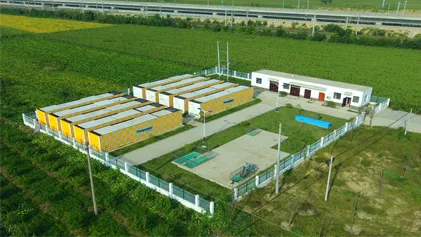
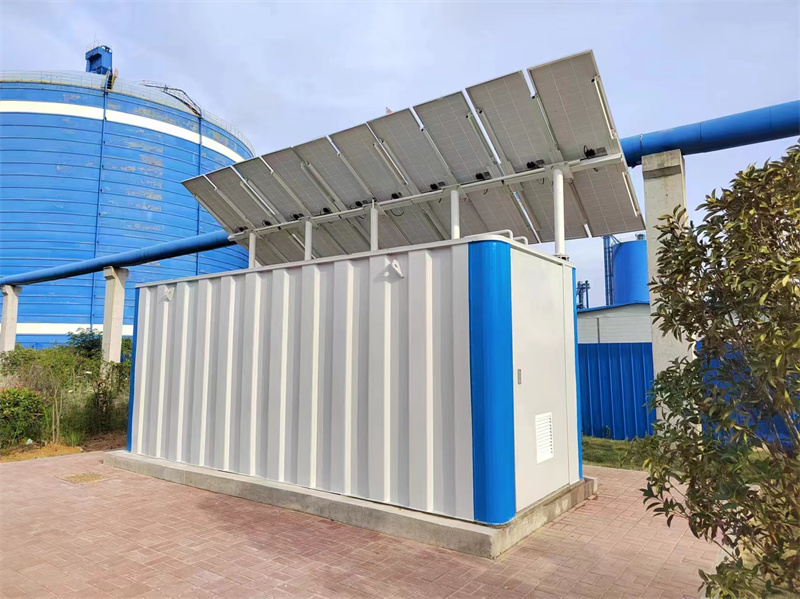
Integration: Integrated and containerized equipment becomes mainstream for decentralized treatment, shortening construction periods and saving land space.
Resource Recycling: Products focus on reclaimed water reuse, sludge resource utilization and valuable substance recovery to balance environmental benefits and economic returns.
V. Core Notes for Purchasing Wastewater Treatment Equipment
Qualification Compliance: Choose formal manufacturers with environmental certifications, product test reports and patent certificates.
Customized Solutions: Design exclusive processes according to actual water quality and discharge standards instead of generic templates.
Complete After-Sales Service: Prioritize suppliers providing installation, operator training and lifelong technical maintenance.
Cost Performance: Evaluate total comprehensive costs including construction investment, energy consumption, consumables and service life, rather than merely comparing unit prices.
Conclusion
Wastewater treatment equipment is vital infrastructure for water environment protection and environmental compliance. Scientific equipment selection, standardized maintenance and reliable manufacturers enable efficient and stable system operation, which can not only meet discharge requirements, but also achieve cost reduction, efficiency improvement and water recycling. With continuous technological innovation, wastewater treatment equipment will keep upgrading to offer stronger support for dual-carbon goals and ecological environment protection.
Похожие товары
Похожие новости
- Очистка муниципальных бытовых сточных вод
- Очистка сточных вод после промывки пластиковых тканых мешков
- Очистка сточных вод скотобойни
- Очистка бытовых сточных вод лагеря
- Which Brand Offers the Best After-sales Service for Wastewater Treatment Equipment in 2026?
- High Cost-Effective Anaerobic Tower Manufacturer | Haipuou Environmental Group
- Which Supplier Leads Magnetic Separation Tech? New Trends in Wastewater Treatment for 2026
- New Trends in the Development of the MBR Membrane Wastewater Treatment Industry: A Professional Guide to Selecting Source Manufacturers
- How to Select Wastewater Treatment Equipment for Pig Farms? In-depth Review of Trusted Industry Service Providers
- Hard-to-Treat Slaughterhouse Wastewater? Tested & Recommended High-Adaptability Wastewater Treatment Solutions for 2026

О нас
Продукт
Бизнес
Новости
Свяжитесь с нами
Горячая линия:0086-15253659088WhatsApp: +86 18706508001
Почта: jly@haipuou.group
Адрес: Китай, провинция Шаньдун, город Вэйфан, город Чжучэн, Восточная кольцевая дорога, дом 56
