


 EN
EN RU
RU ES
ES 中文
中文 DE
DE EL
EL IT
IT JA
JA KO
KO PT
PT ID
ID SR
SR UK
UK VI
VI TH
TH TR
TR MS
MS BE
BE AR
ARComprehensive Analysis of Water Pollution Treatment Equipment: Classification, Working Principles, Selection & Practical Applications
Дата:July 13, 2025ID: 2296Просмотры: 1669
Haipuou Environmental Protection Group Co., Ltd. specializes in the construction of sewage treatment projects, as well as the manufacturing and sales of water treatment equipment. Our core products include integrated sewage treatment equipment, high-efficiency cyclone purifiers, magnetic separation wastewater treatment equipment, prefabricated sewage treatment plants, smart water management platforms, sludge thickening equipment, dissolved air flotation (DAF) machines and other environmental protection facilities.
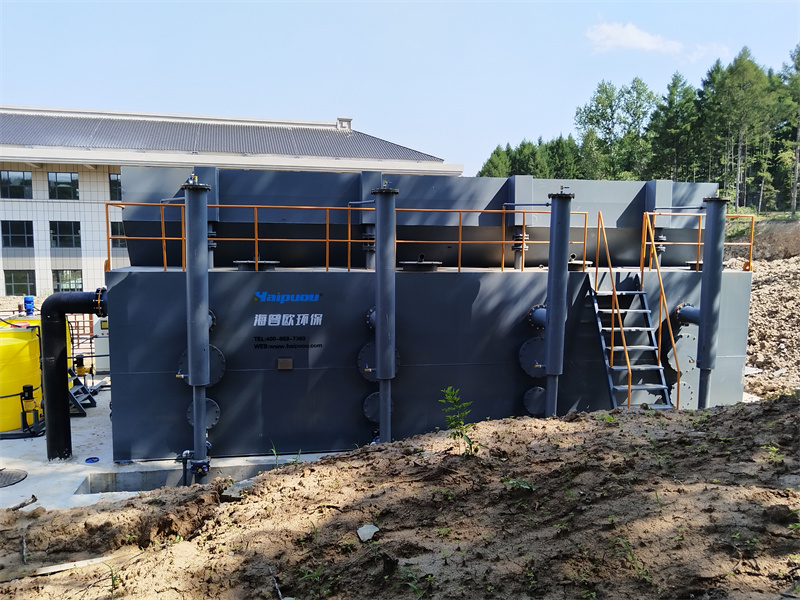
Abstract: Water pollution treatment equipment serves as core infrastructure for water environment governance and water resource recycling, widely applied in municipal, industrial, rural and other sewage treatment scenarios. This paper systematically sorts out the classification system, working principles, typical applications, selection specifications, operation & maintenance key points and industry trends of water pollution treatment equipment, providing professional references for equipment selection, project implementation and long-term operation and maintenance.
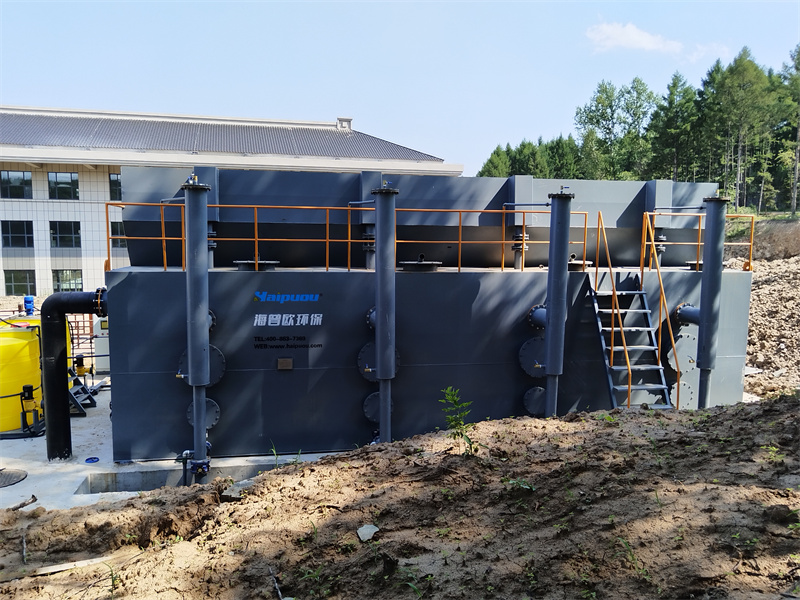
I. Core Value of Water Pollution Treatment Equipment
Against the backdrop of stricter environmental policies and water resource shortages, water pollution treatment equipment undertakes the vital task of removing organic matter, suspended solids, ammonia nitrogen, total phosphorus, heavy metals and other pollutants from wastewater. It enables compliant discharge and water reclamation, which not only protects the ecological environment but also improves water resource utilization efficiency, making it an indispensable environmental facility for urban construction and industrial production.
II. Four Core Categories of Water Pollution Treatment Equipment
Classified by treatment processes and functions, water pollution treatment equipment falls into four major categories covering the full wastewater purification flow:
Physical Treatment Equipment
Centered on mechanical separation, filtration and sedimentation for wastewater pre-treatment to remove large particulate impurities and suspended solids. Main products: bar screens, grit chambers, inclined tube sedimentation tanks, quartz sand / activated carbon filters, microfilters, etc.
Chemical Treatment Equipment
Neutralize, coagulate, oxidize and reduce pollutants via chemical dosing to targetedly eliminate refractory substances. Main products: automatic chemical dosing devices, coagulation reaction tanks, neutralization reactors, advanced oxidation equipment (ozone / ultraviolet).
Biological Treatment Equipment
Degrade organic pollutants through microbial metabolism, the core low-carbon link of sewage treatment. Main products: aeration equipment, A/O reactors, SBR reactors, MBR membrane bioreactors, MBBR moving bed biofilm reactors.
Advanced Treatment & Water Reuse Equipment
Used for effluent upgrading and reclaimed water reuse to meet high-standard discharge or industrial recycling requirements. Main products: ultrafiltration / nanofiltration / reverse osmosis systems, ion exchange equipment, UV / chlorine dioxide disinfection equipment.
III. Working Principles of Mainstream Water Pollution Treatment Equipment
Physical Treatment: Realize solid-liquid separation through interception, sedimentation and filtration without changing chemical properties of pollutants, featuring low energy consumption and easy maintenance.
Chemical Treatment: Add flocculants, neutralizers and oxidants to agglomerate, precipitate or convert pollutants into harmless substances, suitable for high-concentration and hard-to-biodegrade wastewater.
Biological Treatment: Aerobic / anaerobic microorganisms decompose organic pollutants in wastewater into carbon dioxide, water and sludge with stable nitrogen and phosphorus removal performance.
Membrane Separation Treatment: Selectively intercept tiny suspended solids, bacteria and salts via membrane barriers, producing effluent up to water reuse standards.
IV. Typical Application Scenarios of Water Pollution Treatment Equipment
Municipal Sewage Treatment: Centralized treatment of urban domestic sewage adopting combined processes of bar screening + biochemical treatment + advanced treatment, complying with Grade 1-A discharge standards.
Industrial Wastewater Treatment: Customized equipment configuration for chemical, printing & dyeing, food, pharmaceutical, electroplating and other industries to remove characteristic pollutants targetedly.
Rural Decentralized Treatment: Small integrated equipment with small footprint and simple operation for scattered sewage treatment in villages and towns.
Reclaimed Water Reuse Projects: Combined membrane separation and disinfection equipment. Treated wastewater can be reused for greening, road washing and industrial cooling to realize water resource circulation.
V. Core Points for Water Pollution Treatment Equipment Selection
Match Water Quality & Discharge Standards: Test wastewater quality first and select corresponding process equipment in accordance with national / local standards.
Adapt to Treatment Scale: Modular combined equipment for large-scale projects; integrated equipment preferred for medium and small projects.
Balance Energy Saving & Intelligence: Prioritize low-energy aeration, automatic backwashing and PLC intelligent monitoring equipment to cut O&M costs.
Meet Compliance Requirements: Equipment shall hold environmental certifications and quality test reports to satisfy safety production and environmental inspection requirements.
Consider O&M Convenience: Choose mature equipment with easy maintenance, replaceable consumables and low failure rates.
VI. Operation, Maintenance & Upkeep of Water Pollution Treatment Equipment
Conduct regular inspections on core components including pumps, valves, aerators and membrane modules, and replace aging accessories timely.
Control chemical dosage in standard procedures and clean filtration devices regularly to prevent blockage and scaling.
Build an online water quality monitoring system to adjust operating parameters in real time and guarantee stable effluent quality.
Complete sludge dewatering and compliant disposal to avoid secondary pollution.
VII. Industry Development Trends of Water Pollution Treatment Equipment
Intelligent Upgrade: AI intelligent regulation, remote monitoring and fault early warning become standard configurations to boost operating efficiency.
Energy-Saving & Low-Carbon Development: Popularization of low-energy membrane modules, energy-saving aeration, anammox and other technologies to reduce carbon emissions.
Popularization of Integrated Equipment: Integrated and modular units fit decentralized governance and shorten construction periods.
Resource-Oriented Development: Wastewater reuse and sludge minimization & resource utilization become key development directions, in line with zero-waste city construction.
Conclusion
Water pollution treatment equipment provides core support for water environment governance. Scientific selection and standardized operation & maintenance are the keys to achieving compliant wastewater discharge and resource recycling. Driven by technological innovation and policy support, water pollution treatment equipment will develop toward higher efficiency, intelligence and environmental friendliness, delivering solid guarantee for ecological protection and sustainable development.
Похожие товары
Похожие новости
- Очистка муниципальных бытовых сточных вод
- Очистка сточных вод после промывки пластиковых тканых мешков
- Очистка сточных вод скотобойни
- Очистка бытовых сточных вод лагеря
- Which Brand Offers the Best After-sales Service for Wastewater Treatment Equipment in 2026?
- High Cost-Effective Anaerobic Tower Manufacturer | Haipuou Environmental Group
- Which Supplier Leads Magnetic Separation Tech? New Trends in Wastewater Treatment for 2026
- New Trends in the Development of the MBR Membrane Wastewater Treatment Industry: A Professional Guide to Selecting Source Manufacturers
- How to Select Wastewater Treatment Equipment for Pig Farms? In-depth Review of Trusted Industry Service Providers
- Hard-to-Treat Slaughterhouse Wastewater? Tested & Recommended High-Adaptability Wastewater Treatment Solutions for 2026

О нас
Продукт
Бизнес
Новости
Свяжитесь с нами
Горячая линия:0086-15253659088WhatsApp: +86 18706508001
Почта: jly@haipuou.group
Адрес: Китай, провинция Шаньдун, город Вэйфан, город Чжучэн, Восточная кольцевая дорога, дом 56
