


 EN
EN RU
RU ES
ES 中文
中文 DE
DE EL
EL IT
IT JA
JA KO
KO PT
PT ID
ID SR
SR UK
UK VI
VI TH
TH TR
TR MS
MS BE
BE AR
ARChemical wastewater treatment equipment can solve tough problems in the treatment of refractory wastewater.
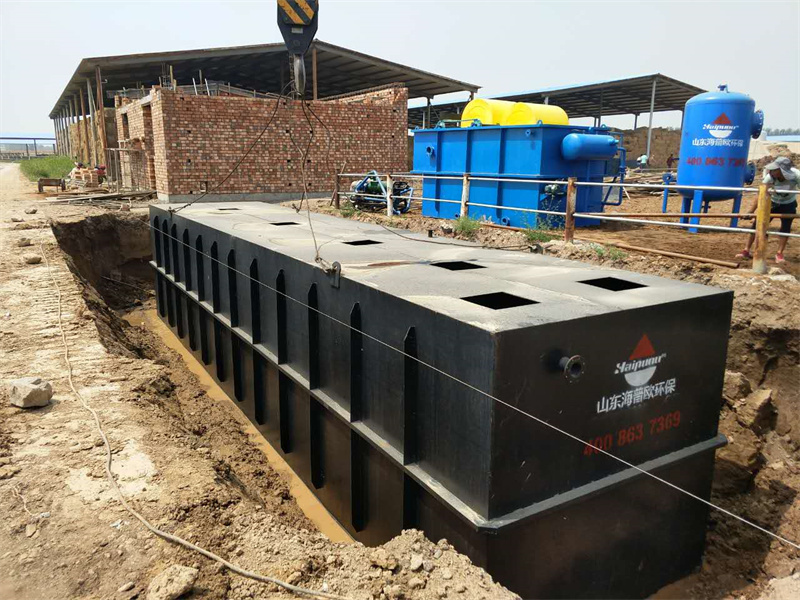
As a vital pillar of industrial economy, the chemical industry generates wastewater with complex components, high toxicity and poor biodegradability during production. Improper treatment will not only trigger severe environmental pollution, but also hinder enterprises' compliant production. As targeted solutions, chemical wastewater treatment equipment must adapt to complex water qualities including high salinity, high COD, heavy metals and toxic organics, and realize compliant discharge and resource recycling via professional technical design. Starting from technical principles, core types, selection guidelines and application cases, this paper comprehensively analyzes the core value of chemical wastewater treatment equipment, offering professional references for enterprise equipment procurement.
I. Characteristics of Chemical Wastewater & Equipment Technical Adaptability: Why Customization Is Mandatory?
Chemical wastewater differs greatly from ordinary industrial wastewater. Its three major features — high complexity, strong toxicity and drastic fluctuation — require treatment equipment with stronger pertinence and shock resistance:
Complex and Refractory Components: Chemical wastewater contains toxic organics such as benzene, phenol and heterocyclic substances, as well as heavy metals including chromium, nickel and mercury. The B/C ratio (biodegradability) is generally lower than 0.3, making conventional biochemical treatment ineffective. Thus equipment must integrate dual modules of pre-treatment and advanced treatment;
Dramatic Water Quality Fluctuation: Intermittent production of chemical factories leads to violent swings of wastewater pH (as low as 2 and up to 13) and COD concentration (suddenly rising from 500mg/L to over 5000mg/L). Equipment needs real-time parameter adjustment functions to avoid system breakdown;
High Salinity & High Toxicity Risks: Wastewater from pesticide and dye industries features salinity over 5%, where conventional microorganisms cannot survive. Toxic substances will inhibit biochemical reactions, so equipment must be equipped with salt-tolerant bacteria or physico-chemical pre-treatment units such as evaporation and advanced oxidation.
Based on the above characteristics, high-quality chemical wastewater treatment equipment breaks the limitation of single treatment processes. Stable treatment of complex water is realized through modular combination, intelligent regulation and anti-corrosion material selection, which is the core difference from general sewage treatment equipment.
II. Core Types of Chemical Wastewater Treatment Equipment: Technical Principles & Applicable Scenarios
Classified by treatment difficulty and pollutant types, mainstream equipment falls into three categories: pre-treatment equipment, biochemical treatment equipment and advanced treatment equipment, each matching different treatment stages and water quality demands:
(1) Pre-treatment Equipment: Solve Preceding Problems of Refractory & Highly Toxic Wastewater
Pre-treatment is a critical link in chemical wastewater governance, aiming to reduce toxicity, improve biodegradability and lower the burden of subsequent processes. Common equipment includes:
Advanced Oxidation Equipment (AOPs)
Technical Principle: Generate strongly oxidizing hydroxyl radicals (·OH) via ozone oxidation, Fenton reaction, electrocatalytic oxidation and other technologies, decompose refractory organics into small-molecule substances and break the structure of heavy metal complexes;
Core Advantages: COD removal rate reaches 40%-70%, toxic substance degradation rate exceeds 80%, and B/C ratio can be lifted from 0.2 to above 0.4;
Applicable Scenarios: Highly toxic wastewater from pesticide, dye and pharmaceutical intermediate production. For instance, a dye factory adopted ozone oxidation pre-treatment, cutting wastewater toxicity by 90% and enabling stable operation of downstream biochemical systems.
Evaporation & Crystallization Equipment
Technical Principle: Concentrate high-salinity wastewater through low-temperature evaporation (multi-effect evaporation, MVR evaporation), then separate salts via crystallizers to realize water-salt separation;
Core Advantages: Salt recovery rate exceeds 95%, and effluent can be reused or discharged up to standard, solving the problem of biochemical inhibition caused by high salinity;
Applicable Scenarios: High-salinity wastewater (salinity>3%) from chlor-alkali, chemical fertilizer and coal chemical industries. A coal chemical enterprise adopted MVR evaporation crystallization equipment to process 1,000 tons of high-salinity wastewater daily, recover 80 tons of industrial salt and save 6 million RMB on water fees per year.
(2) Biochemical Treatment Equipment: Core Link for Efficient Organic Pollutant Degradation
After pre-treatment, wastewater enters the biochemical stage to decompose organics through microbial metabolism. Common equipment must adapt to the salt and toxin resistance requirements of chemical wastewater:
Anaerobic Bioreactors (UASB/IC)
Technical Principle: Under anaerobic conditions, microorganisms such as methanogens decompose macromolecular organics into recyclable methane and small-molecule organic acids, suitable for high-concentration organic wastewater;
Core Advantages: COD removal rate hits 60%-85%, no aeration required with energy consumption only 1/5 of aerobic treatment, while generating clean energy;
Applicable Scenarios: High-concentration organic wastewater (COD>5000mg/L) from coal chemical and petrochemical industries. A petrochemical plant deployed IC anaerobic reactors to treat 2,000 tons of wastewater daily, lowering COD from 8000mg/L to 1200mg/L and recovering 1.5 million cubic meters of biogas annually.
Salt-Tolerant Aerobic Biological Equipment (MBR / Membrane Aerated Bioreactor)
Technical Principle: Adopt salt-tolerant microbial strains combined with MBR membrane separation technology to degrade organics under aerobic conditions and retain activated sludge for higher treatment efficiency;
Core Advantages: Tolerable salinity reaches 5%-8%, COD removal rate exceeds 90%, and effluent suspended solids are close to zero, which can directly flow into advanced treatment units;
Applicable Scenarios: High-salinity organic wastewater from printing & dyeing and pharmaceutical industries. A printing and dyeing factory used salt-tolerant MBR equipment to stabilize effluent COD below 50mg/L with a water reuse rate of 70%.
(3) Advanced Treatment Equipment: Final Goal of Compliant Discharge & Water Reuse
Advanced treatment targets biochemical effluent to remove residual organics, heavy metals and salts, ensuring effluent complies with strict standards such as Pollutant Discharge Standard for Petrochemical Industry (GB 31571-2015). Common equipment includes:
Membrane Separation Equipment (RO/NF)
Technical Principle: Retain residual organics, heavy metal ions and salts through reverse osmosis (RO) or nanofiltration (NF) membranes, producing effluent meeting industrial reuse standards;
Core Advantages: Desalination rate exceeds 99%, COD removal rate reaches over 95%, and treated water can be used for production cooling and cleaning;
Applicable Scenarios: Electronic and fine chemical enterprises with strict effluent requirements. An electronic material factory upgraded its RO membrane separation system to lift wastewater reuse rate from 30% to 80%, cutting fresh water consumption by 120,000 tons every year.
Magnetic Separation Equipment (For Heavy Metals & Suspended Solids)
Technical Principle: Add magnetic seeds and coagulants to form magnetic flocs with heavy metal ions (chromium, nickel), then rapidly separate flocs via high-intensity magnetic field while removing suspended solids;
Core Advantages: Heavy metal removal rate exceeds 95%, single treatment time only 5 minutes with strong resistance to water quality fluctuation;
Applicable Scenarios: Heavy metal-containing wastewater from electroplating and metallurgical chemical industries. An electroplating plant adopted magnetic separation equipment to lower chromium ion concentration from 10mg/L to 0.05mg/L, far below the national standard limit of 0.5mg/L.
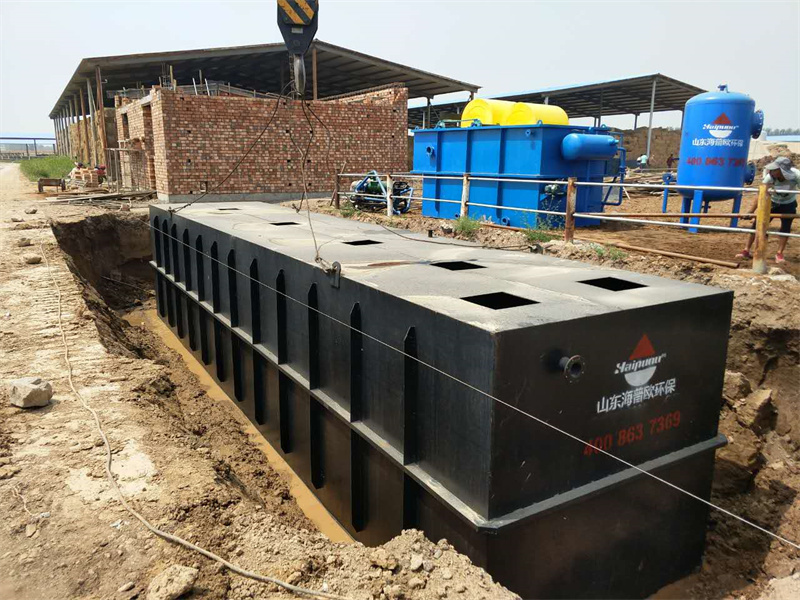
III. Chemical Wastewater Treatment Equipment Selection: Four Core Indicators to Avoid Pitfalls
When selecting chemical wastewater treatment equipment, enterprises shall combine wastewater characteristics, treatment targets (compliant discharge / reuse) and budget, focusing on the following four indicators to avoid failed governance caused by mismatched equipment and water quality:
1. Water Quality Adaptability: Conduct Water Quality Test Before Equipment Selection
Comprehensive wastewater testing is mandatory before procurement to confirm key indicators including COD, BOD, salinity, heavy metal types & concentrations and pH value. For example, high-salinity wastewater prioritizes evaporation crystallization + salt-tolerant biochemical equipment, while highly toxic wastewater chooses advanced oxidation + anaerobic equipment. Blind adoption of ordinary biochemical units will lead to ineffective treatment.
2. Treatment Efficiency & Stability: Focus on Shock Load Resistance
Chemical wastewater features drastic quality fluctuations, so equipment must possess strong anti-shock capacity. During selection, check design capacity redundancy (20%-30% margin recommended) and parameter adjustment response speed (automatic pH regulation, automatic chemical dosing systems), to guarantee stable compliant effluent amid water quality swings.
3. Material Corrosion Resistance: Prevent Premature Equipment Damage
Acids, alkalis and organic solvents in chemical wastewater cause equipment corrosion. Anti-corrosion materials are required: 316L stainless steel, FRP or PPH for pipelines and reactors contacting wastewater; titanium alloy or Hastelloy for evaporation crystallization units to extend service life. Ordinary carbon steel corrodes easily and needs replacement every 1-2 years, while anti-corrosion materials can operate for 5-8 years.
4. Operating Cost & Resource Utilization Value: Calculate Full-Life Expense
Besides procurement cost, comprehensively calculate operating expenses (electricity, chemicals, maintenance) and resource recycling benefits (water saving from reuse, revenue from recovered salts / biogas). For example, MVR evaporation crystallization equipment has high upfront cost yet consumes 40% less energy than traditional multi-effect evaporation, plus salable recovered salts, delivering better economic performance in the long run.
IV. Application Cases: How Chemical Wastewater Treatment Equipment Helps Enterprises Achieve Compliance & Cost Reduction
Case 1: Highly Toxic Wastewater Treatment for a Pesticide Factory
Wastewater Pain Points: COD=8000mg/L, highly toxic pyridine contained, B/C=0.15, ineffective with conventional biochemical treatment;
Selected Equipment: Ozone oxidation unit (pre-treatment) + IC anaerobic reactor (biochemical) + RO membrane separation unit (advanced treatment);
Treatment Outcome: COD reduced below 50mg/L, pyridine removal rate 99%, water reuse rate 70%, saving 3 million RMB on water fees yearly, passing EIA inspection and eliminating production shutdown risks.
Case 2: High-Salinity Wastewater Treatment for a Coal Chemical Enterprise
Wastewater Pain Points: Salinity=10%, COD=6000mg/L, traditional biochemical systems fail due to salt inhibition;
Selected Equipment: MVR evaporation crystallization unit (desalination) + salt-tolerant MBR equipment (biochemical);
Treatment Outcome: Salt recovery rate 98%, COD lowered to 80mg/L with compliant discharge. Recovered industrial salt generates 800,000 RMB annual sales revenue, and operating cost is 35% lower than conventional processes.
V. Industry Trends: Three Development Directions of Chemical Wastewater Treatment Equipment
Driven by stricter environmental standards and dual-carbon goals, chemical wastewater treatment equipment evolves toward higher efficiency, energy conservation and intelligence:
Intelligent Upgrade: Equipment integrated with IoT sensors and AI control systems monitors real-time water quality, flow rate and energy consumption, automatically adjusting operating parameters to realize unattended operation and cut O&M costs by 40%;
Enhanced Resource Recycling: The industry shifts from simple compliant discharge to full resource circulation. Technologies convert wastewater organics into biogas energy, recover heavy metals such as copper and nickel, and purify crude salts into industrial-grade products to boost enterprise economic benefits;
Low-Carbon Design: Popularize low-energy processes including MVR evaporation and anaerobic biogas generation to reduce power consumption, while adopting low-carbon construction materials to support chemical enterprises' carbon emission reduction targets.
Conclusion
Selecting suitable equipment is the first step of chemical wastewater governance. The core of chemical wastewater treatment lies in targeted design, and equipment selection directly determines treatment success and total costs. Enterprises shall abandon one-size-fits-all solutions, clarify wastewater characteristics and treatment targets first, then select equipment comprehensively based on water adaptability, stability, corrosion resistance and operating cost. Customized solutions jointly developed with professional environmental manufacturers are recommended when necessary. With technological advancement, chemical wastewater treatment equipment will no longer merely serve as compliance tools, but become core infrastructure for enterprises to cut costs, boost efficiency and realize green development.
Похожие товары
Похожие новости
- Очистка муниципальных бытовых сточных вод
- Очистка сточных вод после промывки пластиковых тканых мешков
- Очистка сточных вод скотобойни
- Очистка бытовых сточных вод лагеря
- Which Brand Offers the Best After-sales Service for Wastewater Treatment Equipment in 2026?
- High Cost-Effective Anaerobic Tower Manufacturer | Haipuou Environmental Group
- Which Supplier Leads Magnetic Separation Tech? New Trends in Wastewater Treatment for 2026
- New Trends in the Development of the MBR Membrane Wastewater Treatment Industry: A Professional Guide to Selecting Source Manufacturers
- How to Select Wastewater Treatment Equipment for Pig Farms? In-depth Review of Trusted Industry Service Providers
- Hard-to-Treat Slaughterhouse Wastewater? Tested & Recommended High-Adaptability Wastewater Treatment Solutions for 2026

О нас
Продукт
Бизнес
Новости
Свяжитесь с нами
Горячая линия:0086-15253659088WhatsApp: +86 18706508001
Почта: jly@haipuou.group
Адрес: Китай, провинция Шаньдун, город Вэйфан, город Чжучэн, Восточная кольцевая дорога, дом 56
