


 EN
EN RU
RU ES
ES 中文
中文 DE
DE EL
EL IT
IT JA
JA KO
KO PT
PT ID
ID SR
SR UK
UK VI
VI TH
TH TR
TR MS
MS BE
BE AR
ARSand Yard Wastewater Treatment Equipment Process Selection Guide — From Water Quality Characteristics to Discharge Standard Requirements
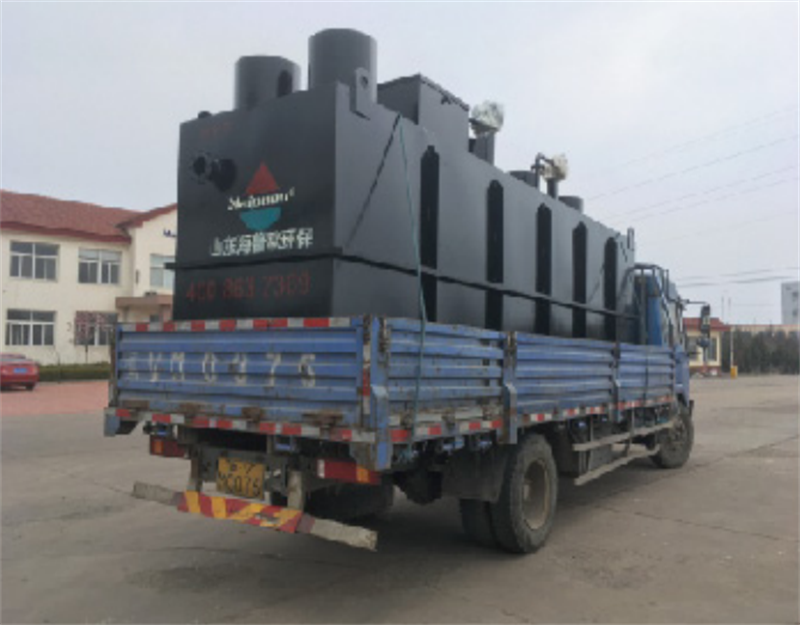
Sand quarry wastewater treatment equipment differs from conventional industrial wastewater treatment facilities. Its wastewater carries massive sand content and extremely high suspended solids (SS often ranging from 5,000 to 20,000 mg/L) with drastic water quality fluctuations. Process selection must target core issues including incomplete sand-water separation, frequent equipment clogging and low water reuse rate. Scientific selection of sand quarry wastewater treatment equipment shall be based on precise grasp of wastewater characteristics and comprehensive evaluation of process adaptability. This paper provides professional selection references from three dimensions: wastewater feature analysis, comparison of mainstream processes and scenario matching principles.
I. Core Characteristics & Treatment Difficulties of Sand Quarry Wastewater
Sand quarry wastewater mainly originates from sand washing and screening procedures, and its unique water quality features determine the specificity of treatment processes. The primary trait is ultra-high suspended solids content: wastewater contains abundant sand grains and mud residues with particle sizes of 0.01–2mm, presenting a turbid state and forming massive sediment within a short standing time. Delayed treatment will easily trigger pipeline blockage and equipment abrasion. Secondly, severe water quality fluctuation: affected by production batches and sandstone types, SS concentration varies violently between 3,000 and 30,000 mg/L, imposing extremely high requirements on equipment shock resistance.
In addition, the wastewater contains a small amount of surfactants added during washing, yet features low concentrations of organics, nitrogen and phosphorus, eliminating the need for complicated biochemical treatment. Core treatment demands focus on solid-liquid separation and clean water reuse. Three major bottlenecks exist in practice: first, efficient separation and recovery of sand grains to reduce resource waste; second, anti-abrasion and anti-clogging equipment design to extend service life; third, realization of high reuse rate to cut fresh water consumption (daily water consumption of a sand quarry can reach hundreds to thousands of cubic meters).
II. Process Comparison of Mainstream Sand Quarry Wastewater Treatment Equipment
Targeting sand quarry wastewater traits, mature treatment processes at present mainly belong to the physical treatment system of "sedimentation + filtration", with distinct disparities in treatment efficiency and applicable scenarios for each process:
Sedimentation Tank + Filter Press Process: Primary sand-water separation is realized via horizontal flow sedimentation tanks with 1–2 hours hydraulic retention time. Supernatant flows into filter tanks for further filtration, while bottom sediment is conveyed to filter presses for dewatering by spiral conveyors. This process features low equipment investment (150,000–300,000 RMB for a 100m³/h unit), yet occupies large land area due to independent sedimentation tanks, with sand separation efficiency of 85%–90%. Suitable for medium-sized sand quarries with sufficient land space and stable water quality.
Hydrocyclone + Chamber Filter Press Process: Hydrocyclones adopt centrifugal force to rapidly separate sand grains with over 95% separation efficiency, and fine particles are dewatered by chamber filter presses. The equipment boasts high integration, with land occupation only 1/3 of sedimentation tank processes. Investment for a 100m³/h wastewater treatment unit stands at 250,000–400,000 RMB, ideal for large sand quarries with limited land and strict separation efficiency requirements. However, equipment materials must feature strong wear resistance (high-chromium cast iron or polyurethane lining required).
Integrated Sand-Water Separator + Filtration & Reuse Process: Small sand quarries may adopt integrated units integrating sand-water separation, filtration and clean water reuse functions, with capacity of 5–50m³/d and investment of 50,000–200,000 RMB. Easy installation yet limited treatment scale, fit for family-run small sand processing yards.
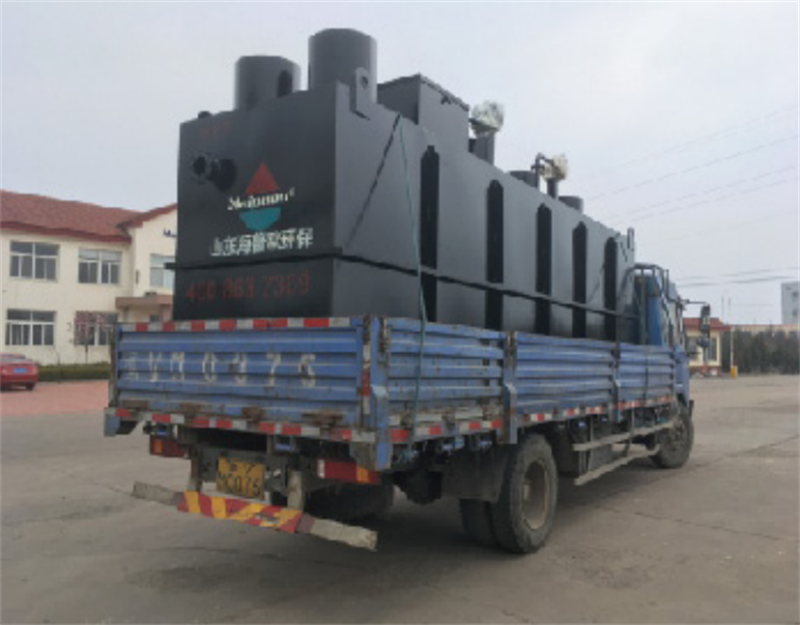
III. Scenario Matching Principles for Sand Quarry Wastewater Treatment Equipment
Process selection shall combine sand quarry scale, land conditions and water reuse demands for comprehensive decision-making, avoiding operational troubles caused by blind procurement:
Scale Matching: Small sand quarries with daily discharge below 500m³ are recommended to adopt integrated sand-water separator + bag filter process for compact layout and simple operation. Medium-sized sand quarries with daily discharge of 500–5,000m³ suit combined hydrocyclone + sedimentation tank + filter press processes balancing treatment efficiency and cost. Large sand quarries with daily discharge over 5,000m³ shall deploy highly automatic hydrocyclone systems + plate-and-frame filter presses to support continuous operation and remote monitoring.
Land Matching: Vertical hydrocyclone units are prioritized for mountainous sand quarries or sites with narrow space, featuring small footprint and flexible installation. Horizontal flow sedimentation tank processes can be adopted for plain sand quarries with lower construction costs, yet reserved land space is mandatory (50–100㎡ land required per 100m³/h capacity).
Reuse Matching: If treated water is reused for sand washing (reuse rate ≥80%), filtration units shall be upgraded to multimedia filters (quartz sand + anthracite) to guarantee effluent SS ≤50mg/L. For discharge-only scenarios, sedimentation + simple filtration (SS ≤300mg/L) can satisfy Grade II limits of the Integrated Wastewater Discharge Standard (GB 8978-1996).
The core criteria for selecting sand quarry wastewater treatment equipment lie in high-efficiency separation, wear-resistant durability and cost-effectiveness. Enterprises shall abandon the misunderstanding of directly applying general sewage treatment equipment, and select targeted processes according to wastewater sand content, treatment scale and site conditions, so as to achieve dual goals of effective sand-water separation and water resource recycling.
Похожие товары
Похожие новости
- Очистка муниципальных бытовых сточных вод
- Очистка сточных вод после промывки пластиковых тканых мешков
- Очистка сточных вод скотобойни
- Очистка бытовых сточных вод лагеря
- Which Brand Offers the Best After-sales Service for Wastewater Treatment Equipment in 2026?
- High Cost-Effective Anaerobic Tower Manufacturer | Haipuou Environmental Group
- Which Supplier Leads Magnetic Separation Tech? New Trends in Wastewater Treatment for 2026
- New Trends in the Development of the MBR Membrane Wastewater Treatment Industry: A Professional Guide to Selecting Source Manufacturers
- How to Select Wastewater Treatment Equipment for Pig Farms? In-depth Review of Trusted Industry Service Providers
- Hard-to-Treat Slaughterhouse Wastewater? Tested & Recommended High-Adaptability Wastewater Treatment Solutions for 2026

О нас
Продукт
Бизнес
Новости
Свяжитесь с нами
Горячая линия:0086-15253659088WhatsApp: +86 18706508001
Почта: jly@haipuou.group
Адрес: Китай, провинция Шаньдун, город Вэйфан, город Чжучэн, Восточная кольцевая дорога, дом 56
