


 EN
EN RU
RU ES
ES 中文
中文 DE
DE EL
EL IT
IT JA
JA KO
KO PT
PT ID
ID SR
SR UK
UK VI
VI TH
TH TR
TR MS
MS BE
BE AR
ARShandong Wastewater Treatment Equipment Selection Guide — From Water Quality Characteristics to Scenario Adaptation
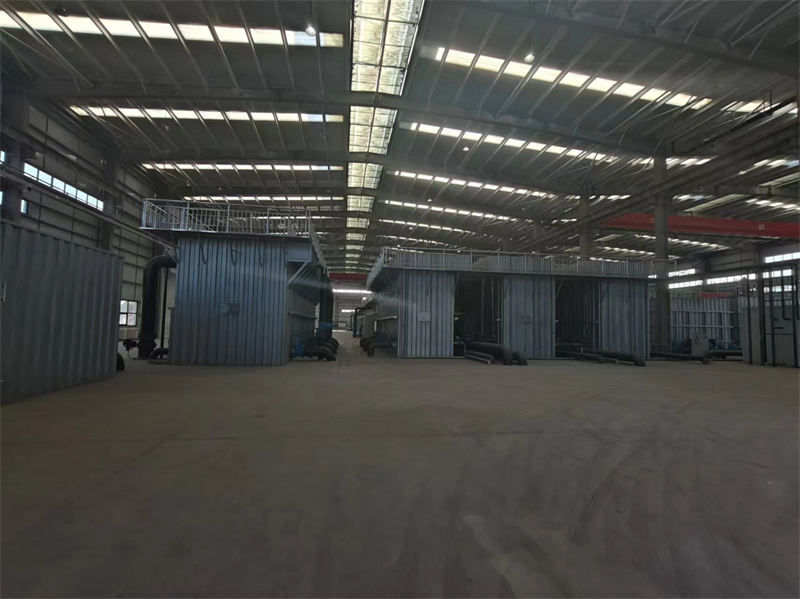
As a major industrial and agricultural province, Shandong has diversified wastewater treatment demands covering industrial, municipal, rural and other scenarios, with prominent disparities in regional water quality features and environmental supervision standards. Selecting suitable Shandong wastewater treatment equipment must take local water quality characteristics, discharge standards and climatic conditions into account, so as to avoid frequent operational failures, hard compliance and uncontrollable costs caused by mismatched equipment. This paper provides professional selection references from three dimensions: water quality analysis, comparison of mainstream equipment types and scenario matching principles.
I. Analysis of Core Regional Water Quality Features in Shandong
Equipment selection for Shandong wastewater treatment shall first grasp unique local water quality traits as the basis for process matching. In terms of industrial wastewater, chemical and printing & dyeing wastewater from central Shandong industrial zones (Zibo, Weifang) carries high COD (often 1000–3000mg/L) together with refractory organics and heavy metals; wastewater from northern Shandong oilfields contains high oil content (50–500mg/L), requiring enhanced oil separation pre-treatment. Municipal sewage features high nitrogen and phosphorus content. Domestic sewage from major cities including Jinan and Qingdao often has ammonia nitrogen at 30–50mg/L and total phosphorus at 5–8mg/L, imposing strict requirements on nitrogen and phosphorus removal processes.
Rural wastewater is greatly affected by agriculture. Rural sewage in southwest Shandong contains pesticide residues and mixed breeding wastewater with volatile water quality (COD 200–1000mg/L); some wastewater in coastal Jiaodong Peninsula has elevated salinity (3000–5000mg/L), calling for salt-tolerant processes. In addition, low winter temperatures (below -10℃ in some parts of Shandong) exert obvious adverse impacts on biochemical treatment, so equipment must be equipped with guarantees for stable low-temperature operation.
II. Comparison of Mainstream Wastewater Treatment Equipment Types Widely Used in Shandong
To satisfy diverse water quality demands across Shandong, a complete local equipment technical system has been formed, with core types fit for different scenarios:
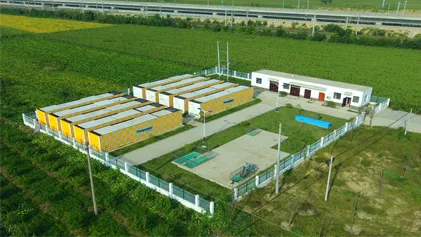
Integrated AO/AAO Equipment: Suitable for municipal and rural domestic sewage, with COD removal rate 85%–90% and ammonia nitrogen removal rate 75%–85%. Units optimized by local Shandong manufacturers are fitted with thermal insulation layers and domesticated low-temperature microbial strains, enabling stable operation under -5℃. Treatment capacity ranges from 5–500m³/d with investment of 8,000–15,000 RMB per cubic meter daily.
MBR Membrane Bioreactor Equipment: Ideal for scenarios with strict discharge standards such as areas along the South-to-North Water Diversion Project, delivering effluent COD≤50mg/L and SS≤1mg/L for direct reuse. Local Shandong manufacturers mostly adopt pollution-resistant PVDF membrane materials, extending membrane service life to 3–5 years. Capacity covers 10–1000m³/d with investment of 15,000–25,000 RMB per cubic meter daily, and operating cost 30%–50% higher than AO processes.
Special Integrated Industrial Equipment: Customized for chemical, printing & dyeing and other industries, integrating complete pre-treatment, biochemical and advanced treatment systems. For example, oily wastewater units are equipped with high-efficiency air flotation modules (oil removal rate ≥95%), while high-salinity wastewater systems adopt combined evaporation and biochemical processes. Local Shandong manufacturers can customize solutions according to enterprise pollutant characteristics, with capacity 10–2000m³/d and variable investment ranging from 10,000–30,000 RMB per cubic meter daily.
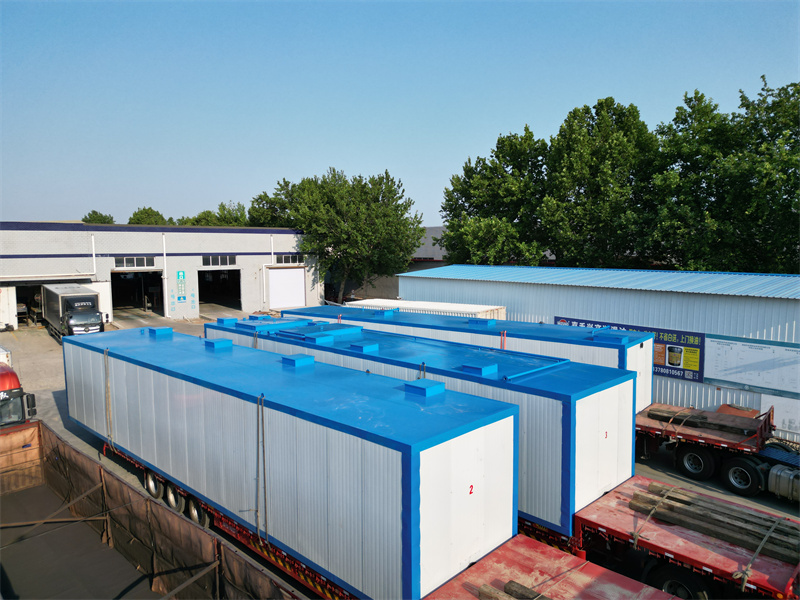
III. Scenario-Based Equipment Selection Principles for Shandong
Combined with regional characteristics of Shandong, three matching principles shall be followed during wastewater treatment equipment selection:
Discharge Standard Matching: Sensitive zones along the South-to-North Water Diversion Project and Xiaoqing River Basin must comply with Grade 1-A standards, with MBR or AO + advanced filtration equipment prioritized. Ordinary regions implement Grade 1-B standards where AO/AAO units deliver better cost performance. Industrial wastewater shall meet special industrial standards such as the Discharge Standard of Water Pollutants for Chemical Industry (GB 18918-2002), requiring targeted pre-treatment modules.
Climate Condition Matching: Buried units or above-ground equipment with thermal insulation layers shall be selected for cold northern and western Shandong, with heating devices fitted to biochemical systems to maintain water temperature above 15℃. Ordinary above-ground equipment can be adopted in warm southern Shandong, yet additional aeration cooling is required to mitigate impacts of high summer temperature on microbial activity.
Operation & Maintenance Capacity Matching: Highly automatic equipment with automatic sludge discharge and remote monitoring functions are preferred for rural areas to cut manual labor. Large enterprises and municipal projects can deploy professional maintenance teams and adopt composite process equipment with higher treatment efficiency. Equipment supplied by local Shandong manufacturers normally comes with localized after-sales maintenance services, with a response speed 2–3 times faster than non-local suppliers.
The core logic of selecting wastewater treatment equipment in Shandong lies in water quality adaptability, standard compliance and localized optimization. Full advantage shall be taken of local manufacturers’ profound understanding of regional water quality and climate. Equipment modified to adapt to local conditions can strike the optimal balance among treatment performance, operating cost and environmental supervision requirements.
Похожие товары
Похожие новости
- Очистка муниципальных бытовых сточных вод
- Очистка сточных вод после промывки пластиковых тканых мешков
- Очистка сточных вод скотобойни
- Очистка бытовых сточных вод лагеря
- Which Brand Offers the Best After-sales Service for Wastewater Treatment Equipment in 2026?
- High Cost-Effective Anaerobic Tower Manufacturer | Haipuou Environmental Group
- Which Supplier Leads Magnetic Separation Tech? New Trends in Wastewater Treatment for 2026
- New Trends in the Development of the MBR Membrane Wastewater Treatment Industry: A Professional Guide to Selecting Source Manufacturers
- How to Select Wastewater Treatment Equipment for Pig Farms? In-depth Review of Trusted Industry Service Providers
- Hard-to-Treat Slaughterhouse Wastewater? Tested & Recommended High-Adaptability Wastewater Treatment Solutions for 2026

О нас
Продукт
Бизнес
Новости
Свяжитесь с нами
Горячая линия:0086-15253659088WhatsApp: +86 18706508001
Почта: jly@haipuou.group
Адрес: Китай, провинция Шаньдун, город Вэйфан, город Чжучэн, Восточная кольцевая дорога, дом 56
