


 EN
EN RU
RU ES
ES 中文
中文 DE
DE EL
EL IT
IT JA
JA KO
KO PT
PT ID
ID SR
SR UK
UK VI
VI TH
TH TR
TR MS
MS BE
BE AR
ARComprehensive Guide on Technical Analysis, Model Selection and Application of Wastewater Treatment Environmental Equipment
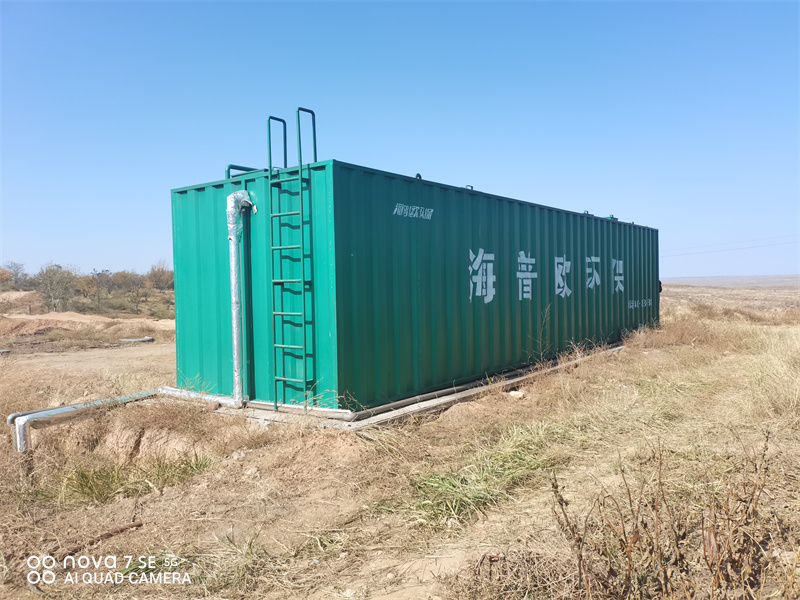
As core infrastructure for ecological civilization construction, the technical performance and application effect of sewage treatment equipment directly determine the efficiency of water pollution control and ecological environment quality. With the in-depth implementation of policies such as the Action Plan for Water Pollution Prevention and Control and the advancement of dual-carbon goals, sewage treatment environmental protection equipment has evolved from simple pollution treatment tools into comprehensive systems integrating purification, resource recovery and low-carbon operation functions. This paper systematically analyzes the core types, technical characteristics, selection standards and development trends of sewage treatment environmental protection equipment, providing professional references for all pollutant discharging entities.
I. Core Types & Technical Features of Sewage Treatment Environmental Protection Equipment
Classified by treatment principles and functions, sewage treatment environmental protection equipment falls into four categories: physical treatment, chemical treatment, biological treatment and advanced treatment, each undertaking distinct roles in pollution governance:
Physical Treatment Equipment
Physical treatment equipment removes suspended solids and impurities via physical means including gravity separation and filtration interception, serving as the basic stage of sewage treatment:
Bar Screen Equipment: As the first barrier of sewage treatment, it intercepts large floating substances (plastic bottles, branches, fibers, etc.) through screen gaps to protect downstream equipment. Divided by automation level: manual bar screens (for small water volume, price 0.5–20,000 RMB) and mechanical bar screens (rotary type, capacity 50–5,000 tons/day, price 20,000–200,000 RMB). Mechanical screens support PLC automatic slag removal and adapt to large-flow scenarios.
Sedimentation & Separation Equipment: Remove particles denser than water through gravity settling. Common types: horizontal flow sedimentation tanks (simple structure, for large flow, cost 100,000–500,000 RMB), inclined tube / inclined plate sedimentation tanks (high settling efficiency, small footprint, capacity 100–10,000 tons/day, investment 150,000–800,000 RMB), vertical flow sedimentation tanks (for small flow, cost 50,000–200,000 RMB). High-efficiency sedimentation tanks enhance settling effect by dosing coagulants, with SS removal rate over 90%.
Filtration Equipment: Trap fine suspended solids and colloids through filter media, including quartz sand filters (SS & turbidity removal, cost 30,000–150,000 RMB), activated carbon filters (organic matter & pigment adsorption, investment 50,000–250,000 RMB) and precision filters (micron particle interception to protect membrane modules, price 20,000–100,000 RMB). Widely used in pre-treatment and advanced treatment to stabilize effluent quality.
Chemical Treatment Equipment
Chemical treatment equipment eliminates soluble pollutants by chemical dosing and reactions, suitable for refractory contaminants:
Coagulation & Reaction Equipment: Composed of mixing tank and reaction tank. Coagulants (PAC, PFS) and flocculant aid (PAM) are added to aggregate colloids for sedimentation, delivering 30%–60% COD removal and 50%–80% decolorization rate. Integrated coagulation units combine dosing, mixing and reaction, capacity 50–5,000 tons/day, investment 100,000–800,000 RMB, extensively adopted for industrial wastewater pre-treatment.
Disinfection Equipment: Kill pathogenic microorganisms via chemical or physical methods. Core models: chlorine dioxide generators (wide bactericidal spectrum, lasting effect, gas output 50–2,000g/h, price 10,000–300,000 RMB), UV sterilizers (zero chemical residue, lamp service life 8,000–12,000 hours, investment 20,000–250,000 RMB), ozone disinfection equipment (strong oxidizing capacity for organic degradation, investment 50,000–500,000 RMB). Select disinfection units based on effluent usage to meet sanitary standards.
Advanced Oxidation Equipment: Target refractory organics via Fenton oxidation, catalytic ozonation, electrochemistry oxidation, generating hydroxyl radicals to break pollutant structures with 40%–70% COD removal. Fenton units feature low upfront cost (50,000–150,000 RMB for 100 tons/day) yet high chemical consumption; catalytic ozone oxidation equipment costs 100,000–300,000 RMB with moderate running cost, ideal for advanced treatment of high-concentration organic wastewater.
Biological Treatment Equipment
Biological treatment equipment degrades organics through microbial metabolism, the core low-energy eco-friendly stage of sewage treatment:
Activated Sludge Equipment: Conventional aeration tanks, A/O (anaerobic-aerobic) reactors, SBR (sequencing batch reactors), etc. Suspended microbes decompose organics with 70%–90% COD removal. A/O units realize simultaneous nitrogen removal, capacity 500–10,000 tons/day, investment 500,000–5,000,000 RMB; SBR boasts excellent shock resistance for fluctuating water volume, investment 300,000–3,000,000 RMB.
Biofilm Equipment: Biological contact oxidation tanks, MBBR (moving bed biofilm reactor), BAF (biological aerated filter), etc. Microbes attach to carriers to form biofilm, achieving 60%–85% COD removal. MBBR features small footprint and easy maintenance, capacity 100–5,000 tons/day, investment 200,000–2,000,000 RMB; BAF integrates filtration for premium effluent, investment 300,000–2,500,000 RMB, widely applied in municipal and industrial wastewater treatment.
Anaerobic Biological Equipment: UASB (upflow anaerobic sludge blanket), IC (internal circulation anaerobic reactor), etc. Anaerobes decompose organics without oxygen and produce recyclable biogas, with 40%–70% COD removal. IC reactors carry high volumetric loading, occupying only 1/3 land of UASB, capacity 500–10,000 tons/day, investment 800,000–8,000,000 RMB, suitable for high-concentration organic wastewater.
Advanced Treatment & Resource Reuse Equipment
Advanced treatment equipment upgrades effluent quality or realizes water recycling to satisfy stringent environmental standards:
Membrane Separation Equipment: UF (ultrafiltration), NF (nanofiltration), RO (reverse osmosis) intercept pollutants via membrane barriers. UF removes suspended solids and colloids; NF traps organics and multivalent ions; RO delivers deep desalination. Membrane units produce reusable high-quality water, capacity 100–5,000 tons/day, investment 500,000–5,000,000 RMB, yet regular maintenance is required to prevent membrane fouling.
Sludge Treatment Equipment: Sludge thickeners (moisture reduced below 95%, cost 50,000–300,000 RMB), plate-and-frame filter presses (dewater to 60%–80% moisture, price 100,000–500,000 RMB), sludge dryers (moisture below 30%, investment 500,000–5,000,000 RMB). Realize sludge minimization, stabilization and resource utilization to avoid secondary pollution.
Reclaimed Water Reuse Equipment: Integrated filtration, disinfection and advanced treatment modules. Qualified effluent can be reused for irrigation, greening and industrial circulation with 50%–80% reuse rate. Small & medium-sized reuse units (100–500 tons/day) cost 200,000–1,000,000 RMB, sharply cutting long-term fresh water consumption.
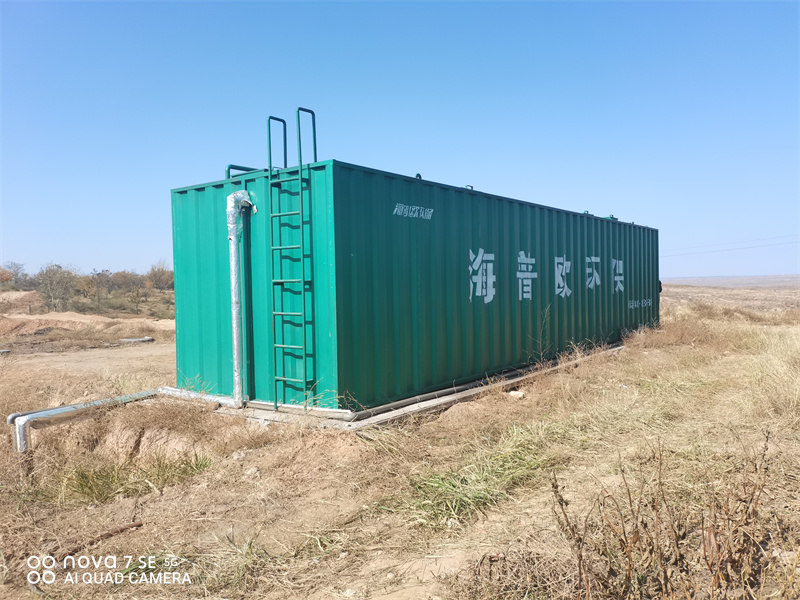
II. Core Standards & Methods for Sewage Treatment Equipment Selection
Scientific equipment selection shall combine wastewater properties, treatment targets, site conditions and economic costs, following the principles of technical feasibility, economic rationality and stable operation:
Basic Pre-Selection Investigation
Water Quality Analysis: Entrust third-party testing institutions to detect COD, BOD, SS, ammonia nitrogen, total phosphorus, pH and characteristic pollutants (heavy metals, oil, refractory organics) to confirm pollution load and treatment difficulties as the basis for process design.
Water Volume Calculation: Calculate daily wastewater output and peak flow according to production scale and water quota of discharging entities. Equipment capacity shall be designed as 1.2–1.5 times peak flow to avoid treatment failure caused by flow fluctuation.
Discharge Standards Clarification: Confirm effluent destination (direct water body discharge, municipal pipe network inflow or reuse) and corresponding standards such as Discharge Standard of Pollutants for Municipal Wastewater Treatment Plants (GB 18918) and industrial special standards to guarantee effluent meets index limits.
Evaluation of Key Selection Indicators
Treatment Efficiency: Core indicators include COD removal rate, SS removal rate, decolorization rate, nitrogen & phosphorus removal efficiency. Reserve a 10%–20% safety margin above standard limits for long-term stable compliance.
Operating Cost: Comprehensively assess electricity, chemical, labor and maintenance expenses. Biological treatment units generally feature lower running costs than chemical ones; low-energy processes are prioritized for small & medium projects.
Land Occupation: Match equipment types with available space. Compact units such as MBBR and SBR reduce land usage by 30%–50% versus traditional processes, ideal for sites with limited area.
Automation Level: Prioritize units equipped with PLC control, online monitoring and automatic adjustment to cut manual intervention and operational risks, especially for enterprises lacking professional technicians.
Shock Resistance: Equipment shall tolerate water quality & flow fluctuations (±30% flow, ±50% COD) to prevent substandard effluent under short-term impact loads.
Recommended Equipment Selection for Typical Scenarios
Municipal Sewage Treatment: Combined process of bar screen + grit chamber + A²/O biotank + secondary sedimentation tank + advanced filtration + disinfection. Core equipment: A²/O bioreactor and rotary disc filter, capacity 10,000–100,000 tons/day, total investment 10,000,000–80,000,000 RMB, effluent reaching Grade 1-A standard.
Industrial Wastewater Treatment:
Food Processing Wastewater: Bar screen + equalization tank + UASB + biological contact oxidation + sedimentation tank, focus on organic matter removal, investment 500,000–5,000,000 RMB.
Electroplating Wastewater: Bar screen + equalization tank + coagulation sedimentation + ion exchange + reverse osmosis, strengthen heavy metal removal, investment 300,000–3,000,000 RMB.
Chemical Wastewater: Bar screen + equalization tank + Fenton oxidation + A/O biotank + ultrafiltration, treat refractory organics, investment 800,000–8,000,000 RMB.
Rural Sewage Treatment: Small integrated buried A/O or MBBR equipment, capacity 5–50 tons/day, investment 50,000–300,000 RMB, easy operation for decentralized governance.
III. Operation Management & Technical Trends of Sewage Treatment Environmental Protection Equipment
Stable equipment operation relies on standardized management, while technical innovation continuously upgrades equipment performance:
Daily Operation Management Key Points
Parameter Monitoring: Track core indexes including inlet flow, pH, dissolved oxygen (DO) and sludge concentration daily. Maintain DO at 1–4mg/L and sludge concentration 2,000–5,000mg/L in biological systems to secure microbial activity.
Equipment Maintenance: Clean bar screens regularly, inspect aeration systems for blockage, calibrate online monitors, and lubricate mechanical parts (water pumps, blowers) periodically to extend service life.
Chemical Management: Store and dose coagulants & disinfectants properly, determine optimal dosage via lab tests to avoid waste or incomplete treatment. Chemical warehouses shall satisfy safety storage codes.
Emergency Response: Formulate breakdown emergency plans and install standby equipment (standby pumps, generators) to prevent unplanned wastewater discharge and environmental accidents under sudden malfunctions.
Technical Development Trends
Intelligent Upgrade: Equipment integrated with IoT sensors and AI algorithms realizes real-time water quality monitoring, automatic process optimization and fault early warning, lifting O&M efficiency by over 40%. Remote monitoring systems support unattended operation.
Low-Carbon Innovation: Develop low-energy aeration equipment (magnetic levitation blowers cut power consumption by over 30%) and photovoltaic-driven sewage treatment units. Biogas generated by anaerobic digestion is used for power generation to lower carbon emission intensity.
Modular Design: Modular combined units support flexible capacity expansion with rising water volume, shortening installation period by over 50%, suitable for small & medium projects and emergency treatment demands.
Enhanced Resource Recovery: Recycle water, energy (biogas), nutrients (nitrogen, phosphorus) and valuable chemicals from wastewater to build an ecological cycle mode of sewage treatment-resource recycling-reuse, improving both environmental and economic benefits.
Policy Support & Environmental Compliance Requirements
The application of sewage treatment environmental protection equipment must comply with relevant laws and regulations, while eligible enterprises can enjoy preferential policies:
Pollutant Discharge Permit Administration: Discharging entities shall select matched treatment equipment as required by permits to guarantee stable compliant effluent. Equipment operation records shall be preserved for no less than 3 years.
Environmental Subsidies: Local authorities offer subsidies for equipment investment and operation. Projects including rural sewage treatment and industrial wastewater advanced treatment can apply for special grants to reduce enterprise financial burden.
Tax Incentives: Investment in environmental equipment qualifies for the three-year tax exemption plus three-year half reduction policy for corporate income tax. Qualified dedicated environmental protection equipment can offset taxable income.
Sewage treatment environmental protection equipment serves as the material foundation and technical guarantee for water pollution control. Rational equipment selection and stable operation directly determine the realization of environmental targets. Pollutant discharging entities shall select matched equipment based on their own wastewater characteristics and treatment demands, establish complete operation management systems, adopt intelligent and low-carbon technologies while ensuring compliant discharge, and raise resource recycling efficiency. It is recommended to entrust professional institutions to carry out feasibility study and process design before equipment procurement, so that sewage treatment environmental protection equipment can fully exert pollution control efficiency and support green development.
Похожие товары
Похожие новости
- Очистка муниципальных бытовых сточных вод
- Очистка сточных вод после промывки пластиковых тканых мешков
- Очистка сточных вод скотобойни
- Очистка бытовых сточных вод лагеря
- Which Brand Offers the Best After-sales Service for Wastewater Treatment Equipment in 2026?
- High Cost-Effective Anaerobic Tower Manufacturer | Haipuou Environmental Group
- Which Supplier Leads Magnetic Separation Tech? New Trends in Wastewater Treatment for 2026
- New Trends in the Development of the MBR Membrane Wastewater Treatment Industry: A Professional Guide to Selecting Source Manufacturers
- How to Select Wastewater Treatment Equipment for Pig Farms? In-depth Review of Trusted Industry Service Providers
- Hard-to-Treat Slaughterhouse Wastewater? Tested & Recommended High-Adaptability Wastewater Treatment Solutions for 2026

О нас
Продукт
Бизнес
Новости
Свяжитесь с нами
Горячая линия:0086-15253659088WhatsApp: +86 18706508001
Почта: jly@haipuou.group
Адрес: Китай, провинция Шаньдун, город Вэйфан, город Чжучэн, Восточная кольцевая дорога, дом 56
