


 EN
EN RU
RU ES
ES 中文
中文 DE
DE EL
EL IT
IT JA
JA KO
KO PT
PT ID
ID SR
SR UK
UK VI
VI TH
TH TR
TR MS
MS BE
BE AR
ARComprehensive Guide on Technical Analysis, Selection, Operation and Maintenance of Printing and Dyeing Wastewater Treatment Equipment
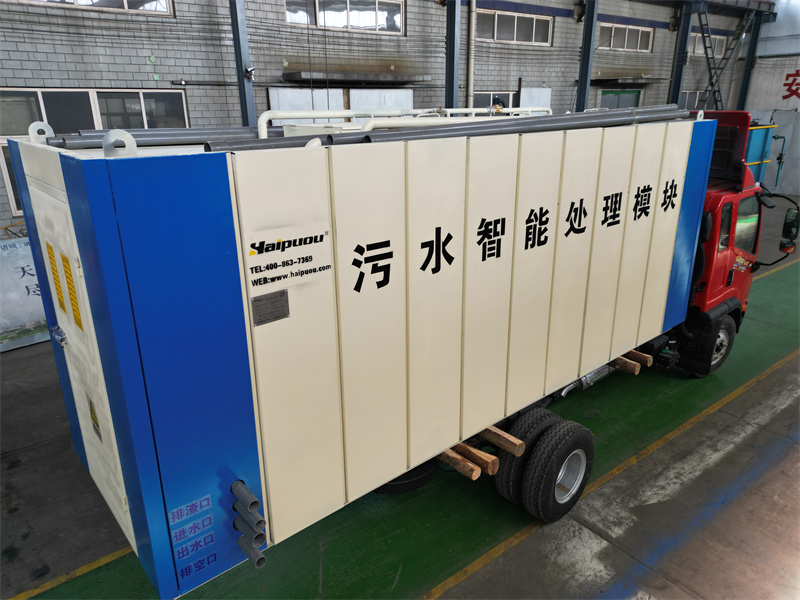
As a core segment of the textile industry, the printing and dyeing sector supplies abundant fabrics to the market while generating massive highly polluted wastewater. Such wastewater features deep chroma, high organic concentration, complex components and abundant refractory substances, which will cause severe damage to aquatic ecosystems if improperly treated. As core facilities for pollution control, the technical advancement and operational stability of printing and dyeing wastewater treatment equipment directly determine treatment performance and environmental compliance. This paper systematically analyzes the technical principles, selection standards, operation management and development trends of printing and dyeing wastewater treatment equipment, offering professional references for printing and dyeing enterprises.
I. Pollution Characteristics & Treatment Difficulties of Printing and Dyeing Wastewater
Printing and dyeing wastewater originates from desizing, scouring, bleaching, dyeing, printing and other production procedures with complex pollutant compositions, presenting the following key characteristics:
High Chroma & Hard Decolorization: Wastewater contains large amounts of residual dyes with chroma ranging from thousands to tens of thousands of times. Reactive dyes, disperse dyes and other varieties feature stable molecular structures that cannot be effectively removed via conventional physical methods, making decolorization a major treatment bottleneck.
High Organic Load: Starch and cellulose from desizing, as well as auxiliaries (surfactants, levelling agents) from dyeing push wastewater COD (Chemical Oxygen Demand) up to 1000–5000mg/L, accompanied by a low BOD/COD ratio (usually below 0.3) and poor biodegradability.
Drastic Water Quality Fluctuation: Different fabrics, dye types and production processes lead to volatile wastewater conditions, including a wide pH range of 4–12 and variable water temperature of 30–60℃, imposing high requirements on equipment shock resistance.
Diverse Characteristic Pollutants: Heavy metals (copper, chromium, zinc), sulfides, phenolic compounds and refractory organics such as PVA sizing agents are contained. Some substances carry biological toxicity and inhibit microbial activity.
These characteristics create three major technical hurdles for printing and dyeing wastewater treatment: decolorization, refractory organic removal and adaptability to fluctuating water quality. A single treatment process cannot meet discharge standards, so equipment systems combining multiple processes are mandatory.
II. Core Technologies & Combined Processes of Printing and Dyeing Wastewater Treatment Equipment
Targeting the complex properties of printing and dyeing wastewater, mainstream treatment relies on a multi-stage combined flow of pre-treatment, biochemical treatment and advanced treatment to achieve compliance. Core technologies and equipment are listed as follows:
Pre-Treatment Process Equipment
The core purpose of pre-treatment is to remove suspended solids, reduce partial chroma and organics, creating favorable conditions for subsequent biochemical treatment:
Bar Screen & Equalization Tank: Mechanical bar screens intercept large impurities such as fabric scraps and fibers to avoid downstream blockage. Equalization tanks homogenize water quality and volume to cut shock loads, normally equipped with stirring or aeration systems and requiring an 8–12 hour hydraulic retention time. An equalization tank for a 1,000 tons/day treatment line costs approximately 200,000–500,000 RMB.
Coagulation Sedimentation Equipment: Coagulants (poly aluminum chloride, ferrous sulfate) and flocculant aids (PAM) are dosed to aggregate colloidal particles and dye molecules into settleable flocs for chroma and SS reduction. Inclined tube sedimentation tanks are widely adopted for high settling efficiency, removing 60%–80% SS and 30%–50% chroma. Equipment investment for 1,000 tons/day capacity stands at around 150,000–300,000 RMB.
Air Flotation Equipment: Dissolved air flotation machines are applied for oily wastewater or hard-to-settle suspended solids, capturing flocs via microbubbles for upward separation. Especially effective for disperse dyes and grease removal with an oil elimination rate above 90%, the equipment operating cost ranges from 0.5–1 RMB per ton of water.
Biochemical Treatment Process Equipment
Biochemical treatment serves as the core stage for organic pollutant degradation through microbial metabolism. Mainstream technologies include:
Anaerobic Biological Treatment Equipment: UASB (Upflow Anaerobic Sludge Blanket), IC (Internal Circulation Anaerobic Reactor) and similar units decompose macromolecular organics via anaerobes under oxygen-free conditions, delivering 40%–60% COD removal while improving wastewater biodegradability. Featuring high volumetric loading and small footprint, IC reactors suit medium-to-high concentration printing and dyeing wastewater, with 800,000–1,500,000 RMB investment for a 1,000 tons/day line.
Aerobic Biological Treatment Equipment
A/O Process Equipment: Combined anaerobic-aerobic technology realizes denitrification in the anoxic zone and organic degradation in the aerobic zone, achieving 70%–80% COD removal for nitrogen-rich printing and dyeing wastewater.
SBR Process Equipment: Sequencing batch activated sludge system operates cyclically through water intake, reaction, sedimentation and drainage, with outstanding shock resistance and flexible operation. Investment for a 1,000 tons/day line is about 500,000–1,000,000 RMB.
Biological Contact Oxidation Equipment: Organics are degraded by biofilm attached to fillers without sludge recirculation, running stably with 60%–75% COD removal, ideal for small and medium-sized printing and dyeing factories.
Advanced Treatment Process Equipment
Advanced treatment eliminates residual pollutants to guarantee compliant discharge or water reuse:
Advanced Oxidation Equipment: Ozonation, Fenton oxidation, electrochemical oxidation and other technologies generate strong oxidizing free radicals to break refractory organics and residual dyes with over 90% decolorization rate. Ozonation systems require matching ozone generators, costing 500,000–1,000,000 RMB for 1,000 tons/day capacity with 1–3 RMB/ton running cost; Fenton oxidation equipment carries lower upfront investment (300,000–600,000 RMB) yet consumes large volumes of hydrogen peroxide and ferrous sulfate.
Membrane Separation Equipment: Combined UF (Ultrafiltration) + RO (Reverse Osmosis) units deeply remove suspended solids, colloids and soluble substances, producing water directly reusable for production with a 60%–80% reuse rate. However, membrane modules entail high costs (2,000,000–5,000,000 RMB for 1,000 tons/day capacity) and require regular cleaning & replacement, suitable for printing and dyeing factories in water-scarce regions.
Activated Carbon Adsorption Equipment: The porous structure of activated carbon adsorbs residual organics and chroma for further water purification. Regular regeneration or replacement of carbon is required, leading to relatively high operating costs, so it is generally used as a supplementary advanced treatment unit.
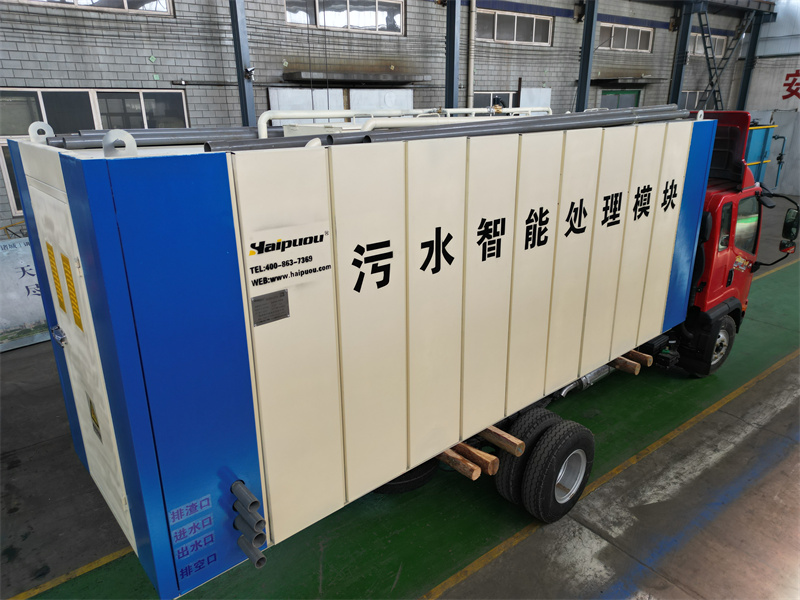
III. Core Standards for Printing and Dyeing Wastewater Treatment Equipment Selection
Printing and dyeing enterprises shall select equipment based on their own wastewater characteristics, treatment capacity and discharge standards, focusing on the following criteria:
Water Quality Adaptability: Match processes to dye types; enhanced oxidation is required for reactive dye wastewater while coagulation air flotation is prioritized for disperse dye wastewater. Wastewater with high-concentration PVA sizing agents needs dedicated pre-treatment units such as hydrolytic acidification tanks.
Treatment Efficiency Requirements: Comply with the Discharge Standard of Water Pollutants for Textile Dyeing and Finishing Industry (GB 4287-2012). Direct discharge limits are COD≤80mg/L, chroma≤50 times, ammonia nitrogen≤15mg/L; indirect discharge must meet local pipe network access standards. A 10%–20% safety margin shall be reserved for equipment treatment efficiency.
Operational Stability: Equipment must withstand water quality & volume fluctuations (stable operation under ±30% flow and ±50% COD swings). Key components including pumps, blowers and valves shall adopt corrosion and wear-resistant materials such as stainless steel and FRP.
Economic Evaluation: Comprehensively calculate upfront equipment investment, operating expenses (electricity, chemicals, labor) and recycling benefits (water cost savings from reuse). Small and medium enterprises may choose integrated units to cut initial investment, while large factories adopt modular combined processes for higher efficiency.
Automation Level: Prioritize equipment equipped with PLC control systems supporting automatic monitoring and adjustment of pH, DO, ORP and other parameters to reduce manual operation and lower operational risks.
IV. Key Points for Equipment Operation Management & Cost Control
Stable performance of printing and dyeing wastewater treatment equipment relies on scientific management and cost optimization:
Process Parameter Control: Anaerobic reactors shall maintain medium temperature at 35±2℃, pH 6.5–7.5 and stable sludge concentration; aerobic tanks keep dissolved oxygen at 2–4mg/L with a sludge age of 15–25 days. Adjust chemical dosage dynamically according to water quality changes in coagulation sedimentation units to achieve optimal flocculation.
Daily Operation Specifications: Inspect equipment running status (pump current, aeration uniformity) every day; clean bar screens and sediment tank sludge weekly; test effluent indicators (COD, chroma, ammonia nitrogen) monthly; conduct full equipment maintenance quarterly including replacement of wearing parts and pipeline cleaning.
Cost Control Tips
Optimize chemical dosage via lab tests to determine the optimal coagulant concentration and avoid waste;
Adopt variable-frequency blowers and pumps to adjust energy consumption based on actual load and cut electricity bills;
Realize resource utilization of dewatered sludge (incineration for power generation, building material production) to reduce disposal costs;
Build a reclaimed water reuse system to recycle treated water for workshop cleaning and green irrigation, saving 3–5 RMB of tap water cost per ton of reused water.
V. Industry Trends & Environmental Compliance Requirements
Current printing and dyeing wastewater treatment equipment is evolving toward high efficiency, low carbon and intelligence. New catalytic oxidation technologies (photocatalysis, electrocatalysis) improve removal efficiency of refractory organics; photovoltaic-driven aeration systems and energy recovery devices reduce power consumption; IoT technology enables remote equipment monitoring and fault early warning, lifting O&M efficiency by over 30%.
On the policy front, environmental supervision continues to tighten:
The pollutant discharge permit system requires enterprises to truthfully declare pollutant emissions and treatment processes, with equipment operation records preserved for a minimum of 3 years;
Key river basins implement stricter discharge limits such as COD≤50mg/L, forcing enterprises to upgrade treatment equipment;
Carbon emission reduction policies push factories to adopt low-carbon treatment processes to cut energy consumption and carbon footprints generated during wastewater treatment.
Printing and dyeing wastewater treatment equipment is vital infrastructure for enterprises to achieve environmental compliance and sustainable development. Factories shall select mature, stable equipment solutions matching their production processes and wastewater characteristics, establish complete operation management systems, and optimize treatment costs while guaranteeing compliant discharge. It is recommended to entrust professional institutions to conduct water quality testing and process design before equipment procurement, making printing and dyeing wastewater treatment equipment a powerful booster for the green production of enterprises.
Похожие товары
Похожие новости
- Очистка муниципальных бытовых сточных вод
- Очистка сточных вод после промывки пластиковых тканых мешков
- Очистка сточных вод скотобойни
- Очистка бытовых сточных вод лагеря
- Which Brand Offers the Best After-sales Service for Wastewater Treatment Equipment in 2026?
- High Cost-Effective Anaerobic Tower Manufacturer | Haipuou Environmental Group
- Which Supplier Leads Magnetic Separation Tech? New Trends in Wastewater Treatment for 2026
- New Trends in the Development of the MBR Membrane Wastewater Treatment Industry: A Professional Guide to Selecting Source Manufacturers
- How to Select Wastewater Treatment Equipment for Pig Farms? In-depth Review of Trusted Industry Service Providers
- Hard-to-Treat Slaughterhouse Wastewater? Tested & Recommended High-Adaptability Wastewater Treatment Solutions for 2026

О нас
Продукт
Бизнес
Новости
Свяжитесь с нами
Горячая линия:0086-15253659088WhatsApp: +86 18706508001
Почта: jly@haipuou.group
Адрес: Китай, провинция Шаньдун, город Вэйфан, город Чжучэн, Восточная кольцевая дорога, дом 56
