


 EN
EN RU
RU ES
ES 中文
中文 DE
DE EL
EL IT
IT JA
JA KO
KO PT
PT ID
ID SR
SR UK
UK VI
VI TH
TH TR
TR MS
MS BE
BE AR
AR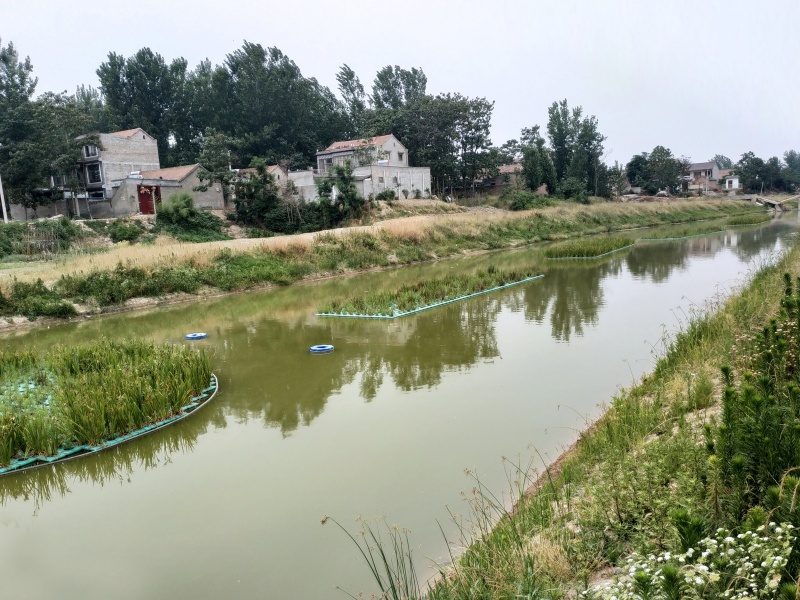
Технология искусственных водно-болотных комплексов
Описание
I. Описание технологии
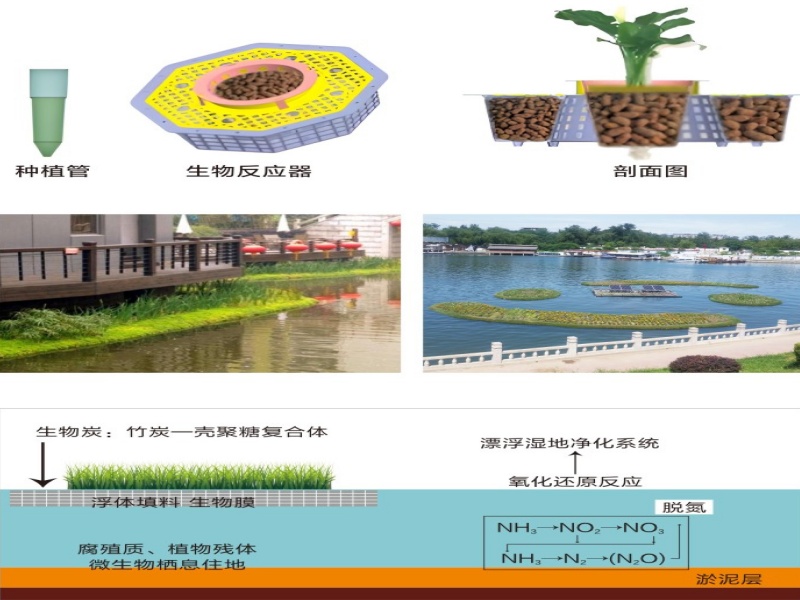
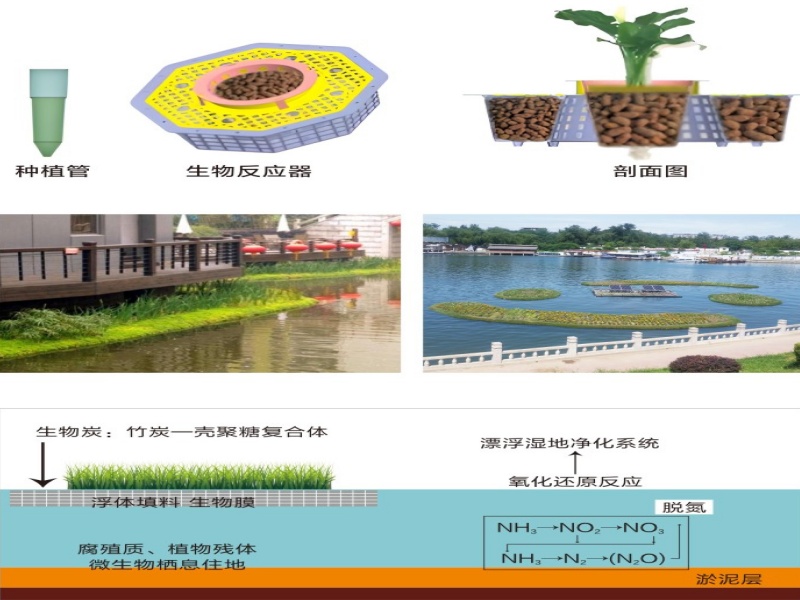
Технология искусственных водно-болотных комплексов компании «Хайпуоу» — инновационный природоподобный процесс очистки стоков, разработанный на принципе совместной биологической и экологической очистки. Имитируя естественную экосистему болот, система объединяет фильтрацию через наполнитель, поглощение водными растениями и микробиологическую деградацию для экологически безопасной очистки сточных вод.
Данная технология устраняет недостатки классических методов очистки. В отличие от химических процессов, создающих вторичное загрязнение, и физических установок, не способных полностью устранить источник загрязнения, искусственные болота обеспечивают долговременную устойчивую очистку. Благодаря выраженным экологическим свойствам, стабильной эффективности и низким капитальным затратам комплексы стали одной из основных технологий децентрализованной очистки стоков и восстановления водной среды. Широко используются на объектах очистки городских и сельских стоков, в деревнях, туристических зонах и других экологических проектах водоочистки.
Искусственный болотный комплекс представляет научно проработанную интегрированную экологическую систему, работающую без химических реагентов и энергоёмкого механического оборудования. Очистка стоков происходит естественным путём за счёт экологического кругооборота. При протекании воды через комплекс загрязнители последовательно удаляются путём фильтрации через субстрат, адсорбции и поглощения корневыми системами водной растительности, а также биодеградации прикрепленными микроорганизмами.
Совместное действие всех механизмов очистки эффективно снижает концентрацию ХПК, аммиачного азота, общего фосфора и взвешенных веществ, комплексно улучшая качество воды. Технология коренным образом решает проблему загрязнения водных объектов, одновременно реализуя очистку стоков и восстановление экосистем, особенно подходит для долговременной непрерывной работы без постоянного контроля персонала.
II. Преимущества технологии
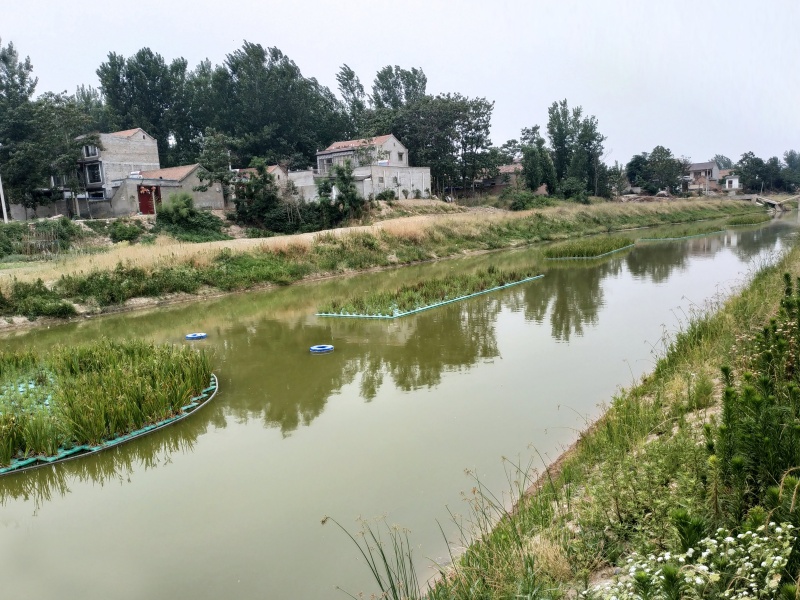
Система работает исключительно на биологических и экологических процессах, в течение всего цикла эксплуатации не требует дозирования химических реагентов, полностью исключая проблемы остатков химии и вторичного загрязнения, характерные для химических методов очистки.
В отличие от обычных физических фильтров, только задерживающих взвеси без разложения органических примесей, искусственные болота эффективно разрушают широкий спектр загрязнителей непосредственно на источнике. Весь цикл очистки экологически безопасный и полностью соответствует нормативам охраны природы.
По сравнению с интегрированными очистными комплексами и капитальными станциями очистки стоков технология искусственных болот не нуждается в сложном оборудовании и масштабных строительных работах. Простая инженерная структура и удобный монтаж значительно снижают общую стоимость инвестиций в объект.
Идеально подходит для малых децентрализованных проектов очистки стоков, обладает отличной экономичностью.
Система функционирует за счёт естественного экологического кругооборота без мощного механического оборудования, при штатной эксплуатации энергопотребление практически равно нулю.
Отпадает большая потребность в электроэнергии, характерная для стандартных очистных станций, долгосрочные эксплуатационные расходы значительно снижаются, реализуются преимущества низкоуглеродной экологии и экономии энергии.
III. Сфера применения
Проекты
Похожие товары
Похожие новости
Просмотр1948Раз
Партнёры
Они выбрали Хайпуоу
海普欧环保企业画册

О нас
Продукт
Бизнес
Новости
Свяжитесь с нами
Горячая линия:0086-15253659088WhatsApp: +86 18706508001
Почта: jly@haipuou.group
Адрес: Китай, провинция Шаньдун, город Вэйфан, город Чжучэн, Восточная кольцевая дорога, дом 56
