



 EN
EN RU
RU ES
ES 中文
中文 DE
DE EL
EL IT
IT JA
JA KO
KO PT
PT ID
ID SR
SR UK
UK VI
VI TH
TH TR
TR MS
MS BE
BE AR
AR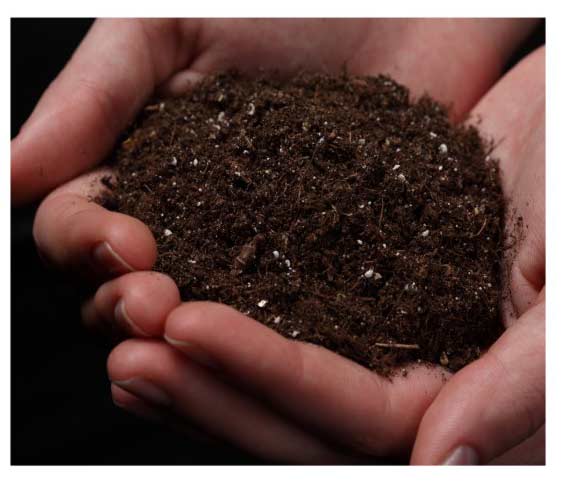
Технология ремедиации загрязнённых почв
Описание
I. Описание технологии
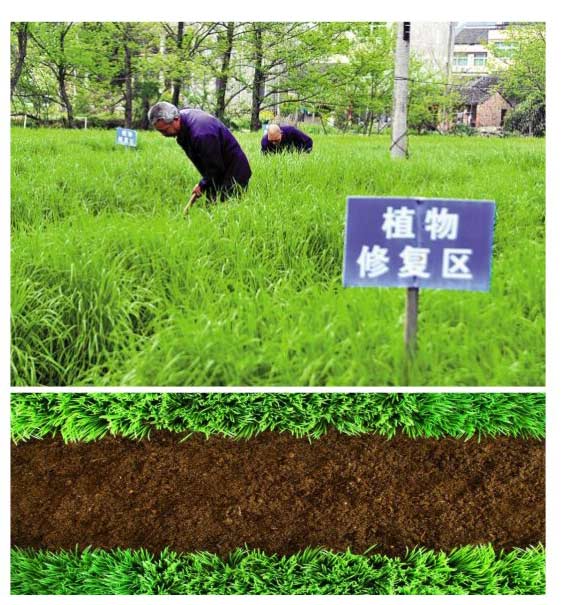
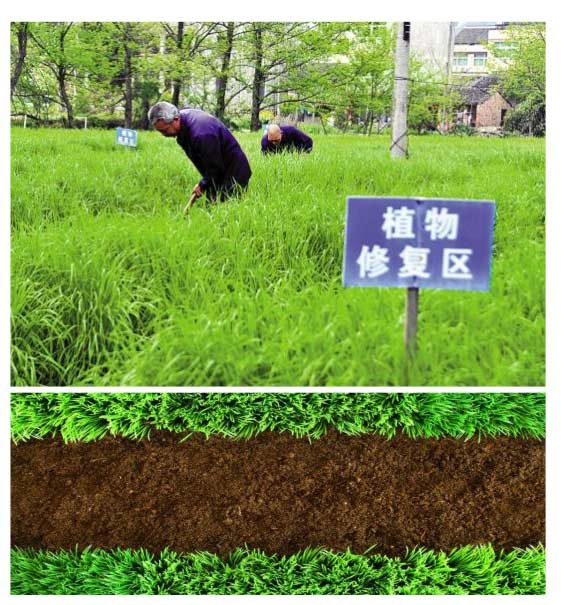
Технология ремедиации почв компании «Хайпуоу» — комплексная системная экологическая методика для очистки всех типов загрязнённых грунтов. Направлена на очистку почвы, мелиорацию грунта и восстановление экосистем, является ключевым экологическим решением для реабилитации промышленных территорий, улучшения сельскохозяйственных земель, восстановления горных выработок и реконструкции городских участков.
Для решения распространённых проблем загрязнения грунта — загрязнения тяжёлыми металлами, органическими соединениями, остатками химических препаратов, засоления и деградации почв — компания объединяет проверенные методики: биоремедиацию, химическую стабилизацию, физическую мелиорацию, внутриплощадочную и вывозную ремедиацию.
В зависимости от степени загрязнения, свойств токсикантов и особенностей участка разрабатываются индивидуальные схемы очистки, позволяющие разложить, иммобилизовать и стабилизировать опасные вещества непосредственно на месте. Технологии улучшают структуру грунта, возвращают почве биологическую активность, приводят земельный участок к нормативам безопасной эксплуатации, способствуя рациональному использованию земель и улучшению экологической обстановки.
Наш комплексный подход к ремедиации научно выверен, подходит для любых сценариев загрязнения и устраняет недостатки одноступенчатых методик: неполную очистку, низкую адаптивность. По стандартизированному алгоритму — предварительное обследование почвы, выявление источников загрязнения, разработка персонального проекта ремедиации, поэтапная очистка, постобработка, наблюдение и сдача объекта — реализуется точное регулирование процессов восстановления грунта.
Эффективно решает широкий спектр почвенных экологических проблем: старое промышленное загрязнение, загрязнение сельскохозяйственных земель, деградация грунта в районах горных разработок. Обеспечивает стабильный результат очистки, высокий процент прохождения экологической приемки, универсальна для любых проектов по восстановлению почв.
II. Преимущества технологии
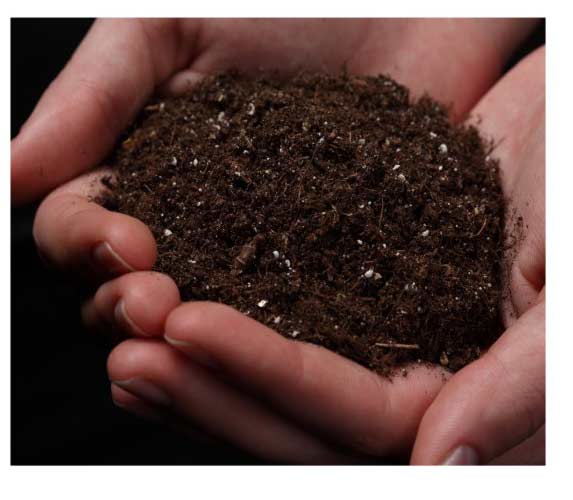
Технология использует интегрированный многоэтапный подход к ремедиации, способна эффективно устранять все виды загрязнения грунта: тяжёлые металлы, органические токсиканты, остатки химии, засоление почв; устраняет ограничения однопроцессных методик очистки.
Точный подбор технологий под степень загрязнения и свойства грунта позволяет проводить целенаправленную поэтапную обработку для удаления, стабилизации или иммобилизации примесей. После завершения работ качество почвы остаётся стабильным и соответствует нормативам, риск повторного повышения концентрации загрязнителей минимален.
На основе данных почвенного обследования, геологических особенностей участка, планируемого вида землепользования, характера загрязнения и строительных ограничений подбирается комбинация внутриплощадочной, вывозной, биологической и химической ремедиации для создания персональной схемы восстановления.
Подходит как для лёгкой мелиорации, так и для полной очистки сильно загрязнённых территорий, подстраивается под специфику каждого проекта, устраняя узкую специализацию и низкую совместимость стандартных методик ремедиации.
Методика построена на безопасных экологически устойчивых принципах. Приоритет отдаётся зелёным технологиям: биоремедиации и физической мелиорации, в качестве дополнения используются экологически безопасные реагенты для восстановления грунта.
В процессе обработки не образуются токсичные остатки, отсутствует риск повторного загрязнения почвы, подземных вод и окружающей растительности. Одновременно восстанавливается качество грунта и защищается локальная экосистема, все процедуры полностью соответствуют действующим экологическим нормам.
Система ремедиации использует стандартизированные модульные строительные алгоритмы на основе отработанных технологий с упрощёнными схемами выполнения работ, не требует сложной сопутствующей инфраструктуры.
По сравнению с классическими методами очистки почв значительно сокращает срок реализации проекта, позволяет оперативно реабилитировать участок под планы застройки, передачу земель и прохождение экологической приемки.
После завершения ремедиации восстановленный грунт сохраняет стабильные свойства и, как правило, не нуждается в долговременном обслуживании. Один комплекс очистных работ обеспечивает долговременное соответствие почвы нормативам.
Технология возвращает загрязнённым землям полноценную потребительскую стоимость, позволяет повторно использовать промышленные, сельскохозяйственные и горные территории, значительно снижает общую стоимость реабилитации земель и экологического восстановления, приносит существенные экономические и природоохранные выгоды.
Методика апробирована на множестве проектов по восстановлению почв, опирается на отработанную техническую базу и стандартизированные процедуры очистки. Все работы выполняются строго по государственным нормативам ремедиации загрязнённых грунтов.
После завершения очистки почва успешно проходит лабораторный контроль и официальную экологическую приемку, технология подходит для проектов ОВОС, рекультивации земель и приведения объектов к экологическим нормам.
III. Сфера применения
Проекты
Похожие товары
Похожие новости
Просмотр1998Раз
Партнёры
Они выбрали Хайпуоу
海普欧环保企业画册

О нас
Продукт
Бизнес
Новости
Свяжитесь с нами
Горячая линия:0086-15253659088WhatsApp: +86 18706508001
Почта: jly@haipuou.group
Адрес: Китай, провинция Шаньдун, город Вэйфан, город Чжучэн, Восточная кольцевая дорога, дом 56
